
The Fisher Cat is a very mysterious animal found in North America. Many people feel afraid when they hear loud noises during the night. This predator is not a cat, and it does not eat fish. It belongs to the weasel family along with otters and minks. Homeowners are seeing more of these animals near their yards in 2026. This guide provides the latest facts about their behavior and safety. We want to help you identify this hunter and protect your pets. You will learn about their diet, habitat, and unique hunting skills today. Learning more is the best way to live safely with local wildlife. Let us explore the world of this very agile forest predator now.
What is a Fisher Cat?
The Fisher Cat is a medium-sized mammal that lives in North American forests. Its scientific name is Pekania pennanti, and it belongs to the weasel family. This animal is the largest marten species living in our wild woods. Early settlers thought it looked like a polecat and gave it this name. The name has no relation to the actual diet of this forest hunter. It is a very skilled predator that stays on dry land and trees. At Love Your Pets Daily, we want you to know the real facts.
Many myths surround this fisher-cat animal regarding how it acts and sounds. People often claim they hear a loud and scary scream from the woods. Research in 2026 shows that these sounds usually come from local foxes. A real fisher mammal is actually very silent during the night. They make low grunts or quiet sounds only during the mating season. They are solitary animals that stay away from humans whenever it is possible. Their shy nature makes them very hard to see in the wild.
Physical Features
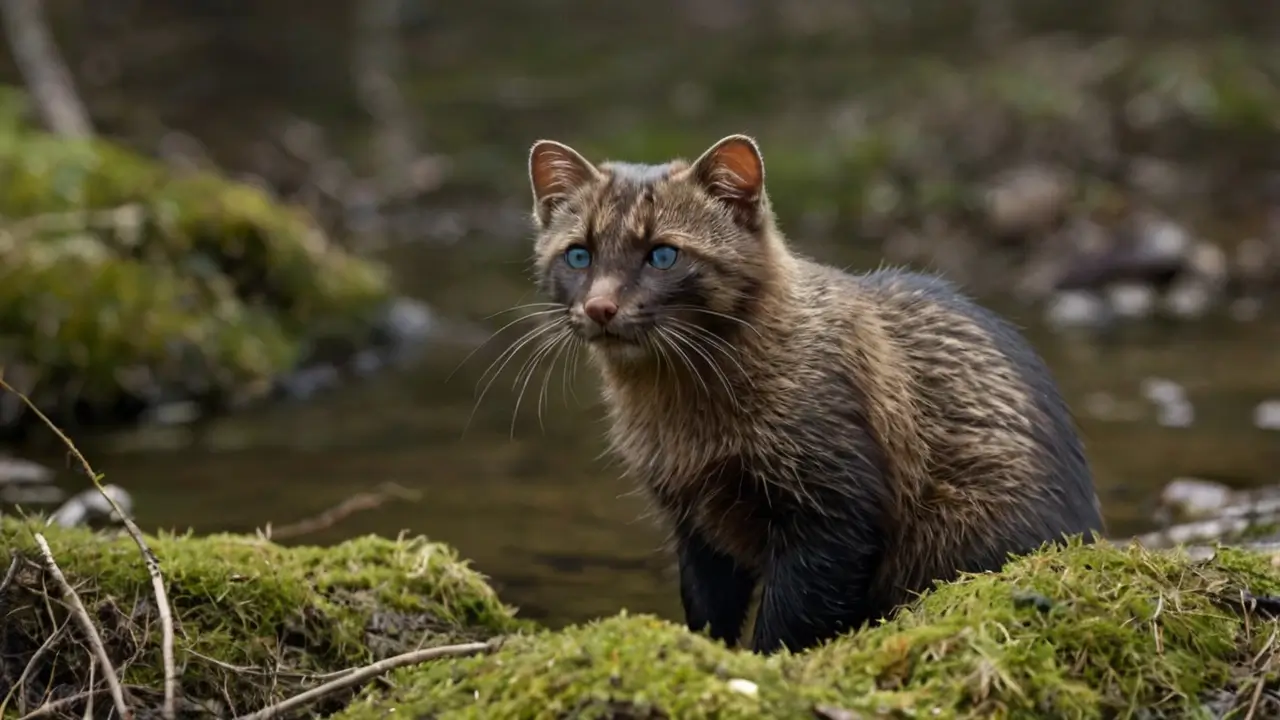
Knowing what fishers look like is very important for proper identification. A fisher animal has a long body and very short, strong legs. The fur is dark brown and looks almost black in some light. You may see lighter hair around the head and the neck area. These special hairs give the animal a very shiny and unique look. The Fisher cat’s size is often compared to that of a large house cat. Unlike the long fur of a Persian Cat, their coat is dense. They have a long, bushy tail that helps them stay balanced high up.
Size Comparison
| Feature | Male Fisher | Female Fisher |
| Total Length | 35 to 47 inches | 30 to 37 inches |
| Average Weight | 8 to 13 pounds | 4 to 6 pounds |
| Tail Length | 13 to 15 inches | 10 to 12 inches |
| Shoulder Height | 6 to 10 inches | 5 to 8 inches |
A male fisher animal is much larger and heavier than a female. In some regions, males can weigh as much as eighteen pounds total. This fisher’s size allows it to hunt prey larger than most weasels. Their fisher cat paws are wide and have five toes with sharp claws. These claws can pull back slightly, which helps them climb very fast. This feature allows them to move through the trees with great agility. Their teeth are very sharp and made for eating meat in the wild.
How to Identify Them
Many people confuse the fisher marten with other forest creatures. You must know the difference to keep your backyard and pets safe. The American Marten is a relative, but it is much smaller in size. Martens usually have a bright orange patch on their front throat area. A fisher does not have this patch and has much darker fur. Another common mistake is thinking a fisher cat is an American Mink. Minks are smaller and have a white patch on their dark chin. Minks live near the water and spend most of their time there.
Identification Table
| Animal | Body Size | Throat Color | Main Habitat |
| Fisher | Large (8-13 lbs) | Very dark brown | Mature deep forests |
| Marten | Medium (1-3 lbs) | Orange or cream | Conifer woodlands |
| Mink | Small (1-2 lbs) | White chin patch | Near lakes and streams |
| River Otter | Large (15-25 lbs) | Pale throat | Always near water |
The Siamese Cat is famous for having very sleek and light fur. In contrast, the fisher has a very thick and rugged winter coat. You might mistake a fisher for a very young black bear cub. However, the long tail of the fisher is a very easy giveaway. Fishers move with a jumping gait that is common for the family. They are more agile than a skunk or a slow-moving raccoon. Their ears are large and sit low on the sides of their head. This gives them a face that looks a little bit like a cat.
Habitat and 2026 Range
The best habitat for this North American carnivore is a mature forest. They like areas with many tall trees to stay hidden from view. These forests provide hollow logs and tree holes for their safe dens. In 2026, we see these animals moving into new areas across America. Climate change is moving their favorite prey into different parts of the woods. This causes some groups in the south to move further into the mountains. You can now find them in many parts of the Appalachian range.
They love deep woods but are moving closer to rural wildlife zones. Many fishers now live on the edges of suburban towns in 2026. They use small woods to travel between their hunting grounds at night. These wooded areas have many squirrels and rabbits for them to eat. An owner of Bengal cats should watch for these shifting forest zones. Fishers are very territorial and do not like to share their space. They mark their home with scent to tell other animals to leave. A single male can guard a very large area of the forest.
Diet and Hunting
What does a fisher mammal eat when it lives in the wild? They are very smart hunters that eat many kinds of small animals. Their diet is mostly made up of mice, squirrels, and large snowshoe hares. They will also eat birds and fruits when they find them. However, they are most famous for being able to kill porcupines. The fisher is the only predator that hunts these prickly animals. They attack the face because it does not have any sharp quills. After the porcupine is weak, the fisher flips it over to eat.
Diet Facts
- Small Rodents: Half of their diet comes from mice and voles.
- Squirrels: These are a very important source of energy for them.
- Porcupines: They are a specialized prey for this smart forest hunter.
- Fruits: They eat berries and nuts during the warm summer months.
- Pets: Encounters with cats or dogs are actually very rare today.
A torbie cat might catch a small mouse in your back garden. A fisher hunts for its life and can take down large prey. They are one of the few animals that hunt on the ground. Do fishers climb trees to find their food during the night? Yes, they are amazing climbers and hunt squirrels high in the trees. They have special ankles that let them climb down a tree headfirst. Very few mammals in the entire world have this amazing physical skill. They use their sharp claws and teeth to catch prey very fast.
Behavior and Life
The fisher cat is a solitary animal that lives alone most year. They only look for a mate during the early weeks of spring. They have a very special way of having their young babies. The egg stays inside the mother for almost a full year. This makes sure that the kits are born during the warm spring. This is when there is plenty of food for the mother. A normal litter has two or three small and very helpless kits. They are born blind and need their mother for food and heat.
The mother moves the kits between dens to keep them very safe. These dens are often high up in the holes of old trees. By eight weeks old, the kits start to crawl and move. They start climbing trees by ten weeks to learn how to hunt. A young fisher cat stays with its mother until the late fall. After that, they must go find their own forest land to live in. Unlike the social nature of a house cat, fishers prefer to be alone. They will fight others to protect their food and their home. They are most active at night but can hunt during the day.
Myths and Facts
The biggest Fisher cat myths are about the sounds that they make. Many people think they hear a loud scream that sounds like people. These scary noises are usually just a fox barking in the dark. A fox makes a very high sound that carries through the woods. Another source of these noises is the bobcat during the mating season. A fisher mammal is usually very quiet when it is out hunting. They do not want to alert their prey or any larger animals.
If you hear strange noises, do not assume it is a fisher. They do make a small chuckle sound to talk to their kits. During a fight, they may hiss like a dark tuxedo cat. However, they do not scream for a long time in the woods. They want to stay hidden so they can hunt without being seen. If a fisher makes a loud sound, it is likely very scared. They are shy and would rather run away than have a fight.
Pet Safety Guide
Is the fisher cat a danger to your pets at home? This is a big worry for people who live near forests. In 2026, the risk to your pets is actually very low. Studies show that pets are almost never a part of their diet. A fisher would rather hunt a rabbit than fight a domestic cat. However, they may attack if a pet is left alone at night. Small dogs and cats are most at risk when it is dark. Large dogs are almost never a target for this forest predator.
Safety Tips
- Stay Inside: Keep your pets in the house after the sun sets.
- Secure Pens: Use strong wire for chicken coops and small animal pens.
- Clean Up: Do not leave pet food or bird seed outside.
- Bright Lights: Use motion lights to scare away any night hunters.
- Clear Piles: Remove brush and wood piles near your back door.
A calico cat should stay inside the house during the night hours. While attacks on humans never happen, pets can be at some risk. They might look like an easy meal to a very hungry predator. Use water sprayers that turn on with motion to protect your yard. You should also keep your trash cans closed and very tight. If there are no mice near your house, fishers will leave. Watching your pets is the best way to keep them safe.
Tracking the Animal
Finding signs of a fisher is easier than seeing the animal itself. Their tracks are easy to spot because they have five toes. In the snow, they move in a jumping way called a bound. Their back feet land in the same spot as their front feet. Their waste is usually long and has bits of fur or quills. This is a sure sign that a fisher is nearby. You may also see deep claw marks on the bark of trees.
Tracking Table
| Sign | What it Looks Like | Best Place to Look |
| Footprints | Five toes and a C-shaped pad | In soft mud or snow |
| Waste | Twisted and full of fur | Near the base of the trees |
| Claw Marks | Vertical lines in the bark | On the trunks of trees |
| Noises | Low grunts or quiet clicks | Near a den at night |
Fisher tracks are usually between two and four inches in size. They are much bigger than the tracks of a small mink. If you see tracks with four toes, it is a dog. These skills help you know what is living on your land. Fishers also leave a scent on rocks to mark their home. You might smell a musk if you are near their den. These signs show you are sharing space with a wild predator.
Conservation and Nature
The fisher cat is very important for a healthy forest system. They help control the number of rodents and porcupines in the wild. Without them, these animals would grow too fast and damage trees. In the past, humans trapped too many of them for their fur. Today, there are rules that help keep their numbers high and safe. Some areas still protect them because they are very rare there. We must save our old forests so these animals can survive.
Supporting wildlife groups helps keep the balance of nature in 2026. You can help by telling experts if you see one nearby. This info helps them map where the animals are living today. Never use rat poison because it can kill the fisher too. They get sick if they eat a mouse that has poison. We can all live together if we follow simple safety rules. The fisher is a beautiful part of our wild world today.
FAQs
Can Fisher Cats Climb Trees?
Yes, fisher cats are expert climbers that spend a lot of time in trees. They have special hind ankles that rotate to help them climb down. This unique skill helps them hunt squirrels and find safe den spots. It also helps them avoid larger predators that stay on the ground.
Where do Fisher Cats sleep?
Fisher cats sleep in safe spots like hollow trees or rocky holes. They may use old burrows in the ground during the cold winter. Mother fishers pick high tree holes to keep their small kits safe. These spots stay dry and warm even during very heavy rainstorms.
Do Fisher Cats Attack Humans?
Fisher cats do not attack humans and will run away from people. There are very few cases where a fisher has bitten a person. Most of these happened because the animal felt trapped or very scared. They prefer to stay hidden in the deep and quiet forest.
what does fisher cats eat
Fisher cats eat a diet of mice, squirrels, and small forest rabbits. They are famous for being able to hunt and eat sharp porcupines. They also eat birds, eggs, and sweet berries when they find them. They are smart hunters that eat whatever food is easiest to catch.