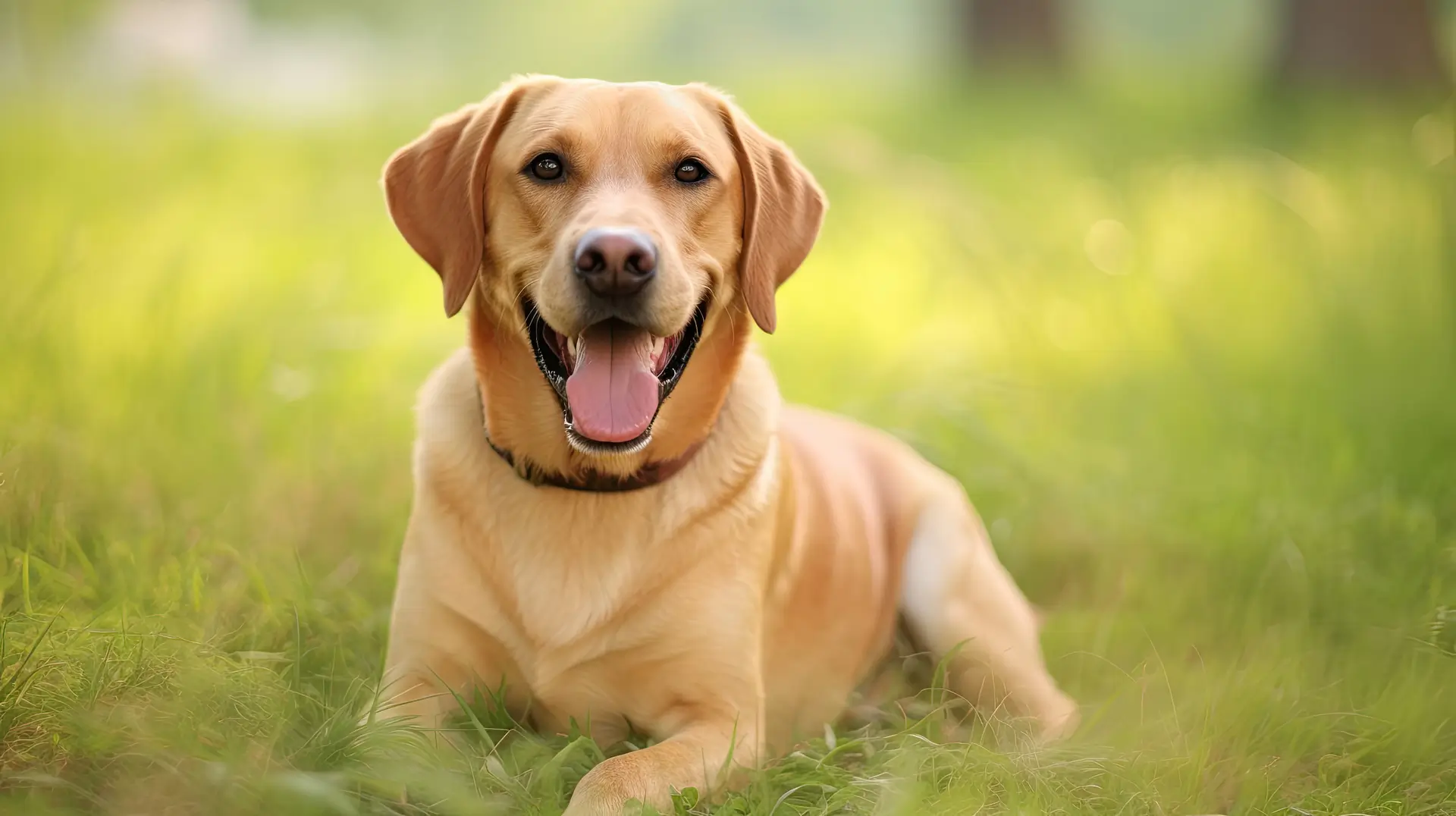

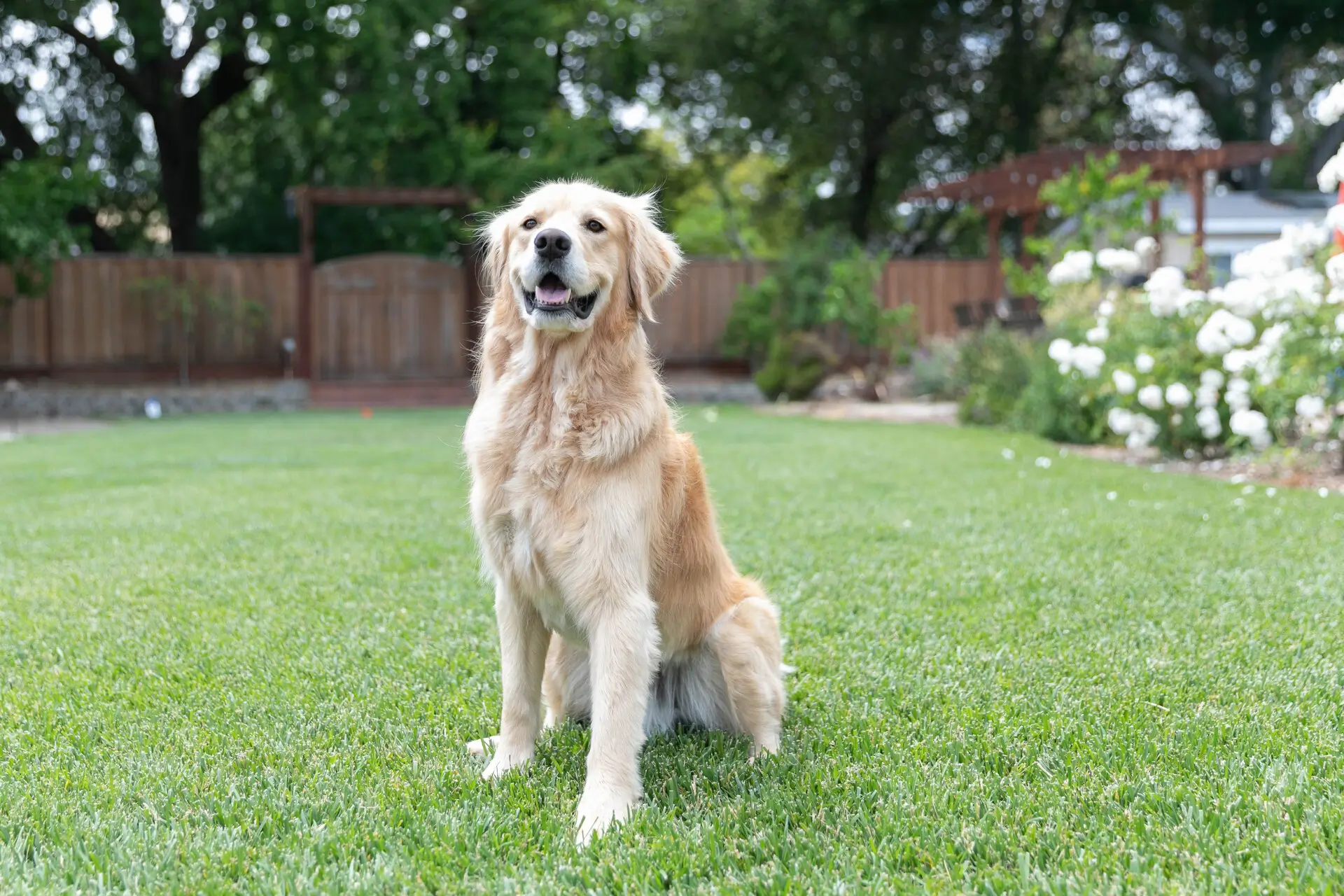
Walk into any park and count the dogs. Chances are good there’s a Golden in the mix tail going, nose down, absolutely thrilled about everything. This breed has held its place near the top of popularity charts for decades, and it has nothing to do with trends. Golden Retrievers simply work well for people.
What Kind of Dog Is This?
Goldens fall into the medium-large category. Coats run from nearly white to deep burnished gold. The physical build is athletic without being bulky, these are working dogs built to move all day across rough ground without breaking down.
The original job was retrieving game birds from water and land. That required a gentle grip, a reliable nose, stamina, and the ability to work quietly beside a hunter for hours. Every one of those traits translated directly into the qualities that make Goldens liveable today: attentive, cooperative, and genuinely easy to be around.
Beyond their role as family pets, these dogs are often used as guide dogs. They also work in search and rescue, help people with hearing problems, and provide therapy. The teamwork that helped them on a moor is also helpful in a hospital.
Where the Breed Came From
Sir Dudley Marjoribanks developed this breed on his Scottish Highland estate in the 1860s. His goal was practical: a retriever capable of handling cold, wet, demanding terrain that most dogs of the time couldn’t manage.
His foundation cross was a yellow wavy-coated retriever called Nous with a Tweed Water Spaniel. He then introduced Irish Setter, Bloodhound, and Labrador Retriever lines over subsequent generations. Unusually for that time, he kept written records. Those records were kept secret until the 6th Earl of Ilchester found them in 1952. This was a thing because it finally solved a long debate about where this breed came from.
The breed was a mystery for a while. The 6th Earl of Ilchester, finding those records in 1952, was important for the breed. The breed’s true origins were unknown until the 6th Earl of Ilchester found those records.
Golden Retrievers are also among the most popular dogs with floppy ears, and that signature look is part of what makes them so instantly recognisable and endearing to families worldwide.
Temperament: What Goldens Are Actually Like
The honest description is relentlessly social. Goldens want to be near people; they want interaction, and they approach almost every situation with genuine enthusiasm rather than suspicion.
Aggression is rare and typically signals poor breeding or a troubled upbringing rather than anything breed-typical. Territorial behaviour is almost nonexistent. What drives these dogs is connection; they read the people around them closely and respond to even subtle emotional shifts in ways that surprise many first-time owners.
Around children, they’re remarkably steady. Around strangers, they’re welcoming to the point of being useless as a deterrent. The problem with Goldens is when they are left by themselves for a time. When Goldens are left alone for a time, they can get really anxious,s and that is when they start doing bad things or barking too much. Goldens are not dogs. Goldens are just dogs that need people to be with them all the time.
If you are getting a Large-breed puppy, you should know that they can get really excited and have a hard time paying attention. This is normal for Goldens. You need to teach them good habits from the start and be consistent.
Retriever Health and Lifespan
Golden Retrievers are generally a healthy breed, but there are a few health issues that happen often enough that Retriever owners should know about them before they get a Golden Retriever. There are a couple of concerns with Golden Retrievers. Hip and elbow problems are common issues. These problems can be passed down from parents.
Cancer is the harder conversation. Goldens get bad tumours a lot more often than most other dog breeds. The bad tumours that Goldens get often are called hemangiosarcoma and lymphoma.
The Morris Animal Foundation is doing a study on Goldens. They are watching over 3,000 dogs, and they started this study in 2012. This study is the one that has ever been done on dogs,s and it is still going on. The people doing the study are finding out a lot of things that are specific to Goldens.
Some Goldens have heart problems that run in their family. This heart problem is called aortic stenosis. Good dog breeders make sure that the dogs they breed do not have this heart problem. They get a special doctor called a cardiologist to check the dogs. If a breeder does not have this check done, that is a warning sign about the breeding golden retriever.
Grooming Requirements
The flat-coated retriever is the most work-intensive thing about owning a Golden. Goldens get bad tumours a lot more often than most other dog breeds. The bad tumours that Goldens often get are called hemangiosarcoma and lymphoma.
The Morris Animal Foundation is doing a study on Goldens. They are watching over 3,000 dogs,s and they started this study in 2012. This study is the one that has ever been done on dogs, and it is still going on. The people doing the study are finding out a lot of things that are specific to Goldens.
Some Goldens have heart problems that run in their family. This heart problem is called aortic stenosis. On rainy or wet days, many owners find a dog umbrella useful for keeping their Golden’s coat from getting soaked during walks, which reduces how often deep drying sessions are needed and helps prevent hotspot issues.
Bathing every six to eight weeks is enough. More frequent washing strips natural oils and causes dry, itchy skin, a complaint common in over-groomed Goldens. After bath,s make sure to dry the undercoat rake.
Air drying alone can leave moisture close to the skin, which causes hotspots. These hotspots are infected patches that need veterinary treatment. You should clean the ears every week, trim the nails every month, and brush the teeth twice a week.
The teeth part often gets skipped. It can lead to big dental problems by middle age if not done regularly, and undercoat and hotspot issues will come back if not dried properly and checked often for the flat-coated retriever.
Golden Retriever Training and Nutrition
One to two hours of meaningful activity daily is the realistic target. A slow walk on a lead does not meet a Golden’s exercise requirement , the dog needs to actually use its body and have something to think about. Fetch, swimming, trail walks, and scent work all deliver real physical and mental output.
The mental dimension is underestimated by most owners. A Golden Retriever that does a golden retriever training session or uses a puzzle feeder usually feels more relaxed after that.
For feeding, you should give them two meals every day. The total amount of food should be two to three cups of dry food. This is good for grown-up Golden Retrievers.
Weight management is genuinely important. When you touch your dog, you should be able to feel the ribs with light pressure. You should see a waist from above when you look at your dog. From the side, you should notice an abdominal tuck on your dog. When it comes to giving your dog treats, they should stay under 10 per cent of your dog’s calories.
Golden Retriever Training That Works
Goldens respond to training willingly. People learn things really fast when they want to do it. They actually think learning is fun, not boring.
The way to make this work is simple: you point out the behaviour you give a clear reward, and then you do it again in different situations. Punishment and harsh corrections achieve the opposite; Goldens shut down under that kind of pressure.
The gap most owners hit is context: a dog that responds perfectly at home often falls apart in a busy environment. The fix is deliberate practice in different locations, around increasing distraction, until the behaviour holds regardless of circumstances.
- Start golden retriever training from the first day home, not when classes begin.
- Short sessions repeated throughout the day beat one long one
- High-value food rewards accelerate learning on unfamiliar tasks
- Large-breed Puppy classes offer controlled social exposure that’s hard to replicate otherwise
- Consistent responses from everyone in the household remove confusion
Golden Retriever vs Labrador Retriever: Key Differences
| Category | Golden Retriever | Labrador Retriever |
| Grooming | High maintenance – thick double coat, heavy shedding, longer drying time | Low maintenance – shorter flat-coated retriever, easier to manage |
| Energy Level | Active but easier to calm after exercise | Higher energy, especially in younger dogs |
| Emotional Nature | Highly emotionally aware, sensitive to household mood | More emotionally stable and less affected by stress |
| Therapy Suitability | Excellent therapy dog due to emotional sensitivity | Good, but less naturally attuned than Golden |
| Retriever Health Risks | Higher cancer rates, hip dysplasia | Prone to obesity, exercise-induced collapse, and hip dysplasia |
| Maintenance Effort | Requires more time for grooming and care | Easier overall maintenance |
| Best For | Families wanting a deeply connected, emotionally responsive dog | Owners needing a more practical, lower-maintenance dog |
Conclusion
The Golden Retriever is a dog breed. It easily fits into our lives. This breed is easy to train and makes friends for a long time. Retrievers have an issue with cancer. To keep your Retriever healthy, you should get it from a breeding golden retriever who looks for health issues that Retrievers can have.
Your Retriever needs a few simple things to stay healthy: it needs food, it needs exercise, and you have to take your Retriever to the vet a lot, especially in the first year. If you do these things, you will likely enjoy your Retriever for many years. Many owners of Golden Retrievers feel this way. They think their dog is a choice. They do not understand why anyone would choose a breed.
FAQs
What is the average Golden Retriever lifespan?
The life of a dog is usually around 10 to 12 years. Dogs from health-screened lines can live a lot longer, up to 13 or 14 years, if you take good care of them.
How significant is the grooming requirement?
I brush my dog two to three times a week when everything is normal. During the times when my dog is shedding a lot, I do it every day. My dog gets a bath every six to eight weeks. Ear checks weekly, nails monthly.
Do Golden Retrievers perform well in service and therapy roles?
Among the most placed breeds globally in guide dog programs and widely used in therapy, seizure alert, and emotional support roles.
What does responsible puppy care involve?
When you have a large-breed puppy, you need to give it large-breed puppy formula. You should also make a plan to socialize your puppy on purpose. This plan should last for 14 weeks. You should train your large-breed puppy for a time every day. Your large-breed puppy needs to get vaccinations when it’s time for them.