
The fluffy tuxedo cat is one of the most striking animals in the entire feline kingdom. With their long fur and formal markings, these cats look ready for a fancy gala. While the bicolor pattern is common, finding a high-quality fluffy tuxedo cat is rare. In 2026, the demand for these beautiful felines reached an all-time high for owners. Pet lovers want a companion that combines elegance with a very spirited and loyal personality. This guide explores the genetics and the specific care needs of these unique long-haired cats.
Understanding the Fluffy Tuxedo Cat
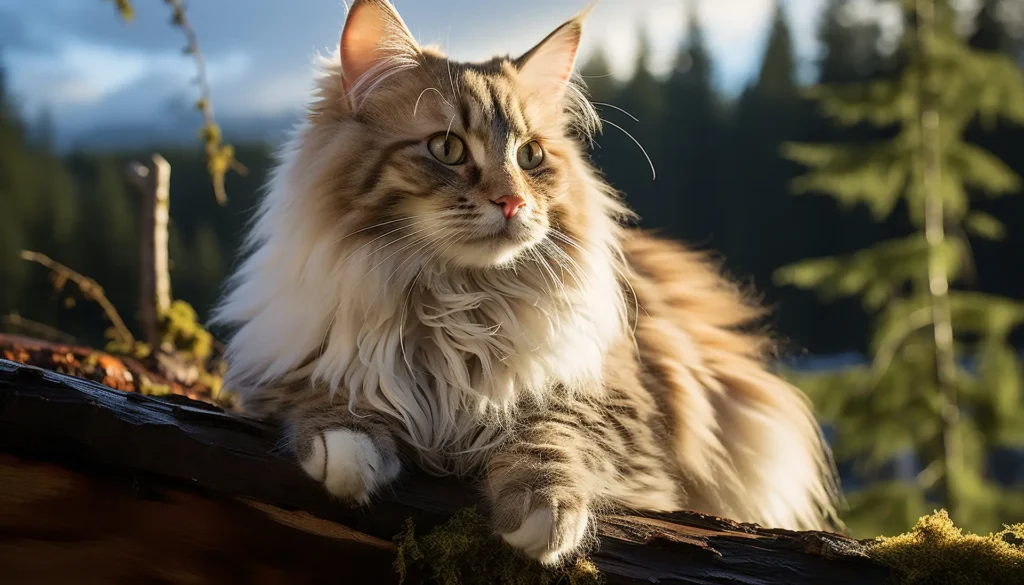
A fluffy tuxedo cat is not a specific breed but a beautiful coat pattern. The “tuxedo” look refers to a bicolor cat with a solid black base coat. It features white markings specifically on the chest, the belly, and the four paws. This arrangement mimics the look of a formal suit worn by a human being. When this pattern occurs in a long-haired cat, the result is a majestic appearance. The high-volume fluff frames their formal black and white attire in a very beautiful way.
In feline genetics, this bicolor pattern is officially known as a form of piebaldism. It is caused by the white spotting gene during the early stages of development. While most people imagine a black-and-white palette, the grey tuxedo cat is also popular. You might also see it called a grey tuxedo cat in different regions of the world. In these cats, the black fur is diluted into a soft charcoal or blue-grey tone. Whether they are mixed breeds or purebreds, these cats are prized for their dapper charm
The Fluffy Tuxedo Cat at a Glance
| Feature | Specification (2026 Data) |
| Common Name | Tuxie, Felix Cat, Piebald Feline |
| Coat Pattern | Bicolor (Black and White typical) |
| Genetics | White Spotting Gene (KIT) + Longhair Gene (FGF5) |
| Rarity Score | Moderate (Common in shelters, Rare in purebred lines) |
| Average Lifespan | 12 to 20 years with proper care |
| Estimated Price | $50 (Adoption) – $3,500+ (Purebred) |
| Primary Breeds | Maine Coon, Persian, Norwegian Forest Cat, Siberian |
The Genetics of Long Fur and Formal Patterns
Identifying a fluffy tuxedo cat breed requires a look at two very important primary genes. First is the KIT gene, which is responsible for the white spotting or bicolor pattern. For a cat to be a “tuxedo,” it must fall on the spotting scale correctly. Grade 1 might only have a tiny locket, while true tuxedos have white paws.
Interested in reading the article: “Tuxedo Cats: A Complete Overview“
The “fluffy” part comes from the FGF5 gene, which controls the length of the hair. This is a recessive gene, so a kitten must get a copy from both parents. When a long hair tuxedo cat is born, it represents a perfect genetic intersection. In 2026, genetic testing at sites like Love Your Pets Daily is very popular. Owners use these tests to see if their kittens carry these specific genetic markers.
Genetic Probability Table
| Parent A (Carrier) | Parent B (Carrier) | Likelihood of Fluffy Tuxedo Offspring |
| Shorthair Black | Shorthair White | Low (Depends on recessive traits) |
| Longhair Tuxedo | Longhair Tuxedo | 75% to 100% |
| Domestic Shorthair | Maine Coon | Moderate (Usually results in semi-long hair) |
How Rare is a Fluffy Tuxedo Cat?
If you walk into a shelter, you will likely find many black-and-white cats there. However, the true long-haired tuxedo cat is less common than the short-haired variety. This is because the long-hair gene is recessive, while the short-hair gene is dominant. A fluffy tuxedo cat rarity is often determined by the symmetry of the markings. A cat with a perfect white “V” and matching white gloves is very hard to find.
Furthermore, certain variations, like the fluffy grey tuxedo ca,t are even more difficult to find. The dilution gene must be present in both parents for this soft color to appear. In purebred circles, such as among Pekingese dogs, specific patterns are always intentionally cultivated. In the general cat population, a perfect, fluffy grey tuxie is a very significant find.
Breeds with the Fluffy Tuxedo Pattern
Many fluffy tuxedo cats are “Domestic Longhairs,” which means they are mixed-breed felines. However, several established purebreds are known for having this very striking and formal look. If you want a fluffy tuxedo cat breed with a predictable personality, consider these:
- Maine Coon: These “gentle giants” often display the formal tuxedo pattern on their large bodies.
- Persian: For maximum fluff, the tuxedo pattern cat in this breed offers a regal look.
- Norwegian Forest Cat: These hardy cats have water-resistant coats and very bushy, thick tails.
- Siberian: These are great for people with allergies because they produce less irritating protein.
- Turkish Angora: This breed is known for its silky hair and a very elegant frame.
While a terrier dog might be bred for hunting, these cats are bred for beauty. They have been companions for centuries because of their calm and very affectionate nature.
Tuxedo Cat Personality and Unique Traits
Owners often ask, “Why are tuxedo cats so weird?” when they see strange behaviors. There is a myth that these cats have “Tuxitude,” which means they are very bold. While science has not proven this yet, 2026 evidence suggests they are highly social felines.
The tuxedo cat temperament is often described as being very similar to a dog’s. They may follow you from room to room just like a Lassie dog would. Many are known to enjoy playing fetch or even learning complex tricks for treats. Their tuxedo cat personality is typically curious, energetic, and full of surprising life. Unlike a reserved Maltese dog, these cats are usually the first to greet your guests.
Grooming Your Long-Haired Tuxedo
Owning a tuxedo cat fluffy variation requires a real commitment to consistent pet grooming. Their long fur can become matted in areas like the armpits or behind the ears.
- Brushing: Daily brushing is essential to remove the undercoat and prevent painful fur mats.
- Bathing: A fluffy tuxedo cat may need a bath to keep their white fur bright.
- Shedding: Be prepared for a lot of shedding during the spring and fall seasons.
- Nail Trimming: Regular trims are necessary, just like they are for a Papillon dog.
If you enjoy the patterns of a dark calico cat or a grey calico cat, you know. You will appreciate the high-contrast work required to keep a tuxedo cat looking its best.
Health and Life Expectancy
The tuxedo cat’s lifespan is quite impressive, with many living for up to 20 years. Because “tuxedo” is a color and not a breed, they lack specific pattern-linked diseases. However, the fluffy tuxedo cat may face issues based on its specific breed ancestry.
2026 Health Monitoring Table
| Breed Potential | Potential Health Concern | Prevention/Screening |
| Maine Coon Mix | Hypertrophic Cardiomyopathy (HCM) | Annual heart ultrasounds |
| Persian Mix | Polycystic Kidney Disease (PKD) | DNA screening |
| Domestic Longhair | Obesity | Controlled caloric intake |
| All Fluffy Cats | Hairballs | High-fiber diet and grooming |
Regular checkups are vital for any pet you decide to bring into your home. Whether you own a terrier dog or a Shih Tzu dog, prevention is always best. It is the most effective way to ensure a long and healthy life for them.
Value of a Fluffy Tuxedo Cat in 2026
How much is a fluffy tuxedo cat worth in the current pet market today? The price varies based on the breed and where you decide to get them. In 2026, adoption remains the most ethical and affordable way to find a new friend.
- Shelter Adoption: $50 – $225 typically includes vaccines and the cost of neutering.
- Purebred Breeder: $1,000 – $3,500 for a Maine Coon or a Siberian from champions.
Interestingly, tuxedo kittens are often adopted much faster than solid black cats in shelters. If you want a bargain, adult long-haired tuxedo cats are often unfairly overlooked. They have established, calm temperaments that make them perfect for a quiet and loving home.
Fun Facts About Tuxedo Cats
- Famous Owners: William Shakespeare and Sir Isaac Newton both owned these dapper tuxedo cats.
- TV Stars: Sylvester from Looney Tunes is a very famous black and white cat icon.
- Good Luck: Ancient Egyptian cultures believed that bicolor cats brought good luck to every household.
- Mountain Climbers: One tuxedo cat actually reached the top of Mount Everest with its owner.
- Special Day: November 29th is the official day to celebrate these wonderful tuxedo cats.
Comparing Tuxedos to Other Patterns
Many people confuse the bicolor tuxedo cat with other patterns like calicos or harlequins. A tuxedo pattern is very specific and follows a strict set of visual rules. While a dark calico cat has three colors, a tuxedo only has two colors. Similarly, a grey calico cat has diluted colors but still maintains that tri-color requirement.
| Cat Type | Color Count | Pattern Requirement |
| Tuxedo | 2 (Black/White) | Mask, bib, and boots |
| Calico | 3 (Black/Orange/White) | Patched distribution |
| Van | 2 | Color only on the head and tail |
| Harlequin | 2 | Random large spots |
Conclusion
The fluffy tuxedo cat is a masterpiece of nature that combines beauty with personality. Whether you want a rare fluffy grey tuxedo cat or a classic one, they are great. These felines offer a level of companionship that rivals any terrier dog or pet. They are smart, affectionate, and look undeniably dapper in their formal black and white suits. By understanding their needs, you can provide a wonderful and loving home for these icons.
FAQs
How to identify a tuxedo cat?
To identify a tuxedo cat, you must look for a specific bicolor pattern consisting of black and white. These markings should resemble a formal tuxedo suit with a white chest and white paws. While many cats have mixed colors, a true tuxedo has a symmetrical and clean distribution. They often look like they are wearing a white shirt under a black jacket.
What makes a tuxedo cat fluffy?
A tuxedo cat becomes fluffy due to the presence of a recessive long-hair gene in their DNA. This genetic trait causes the fur to grow much longer and denser than that of a normal cat. When this gene pairs with the white spotting gene, you get a long-haired tuxedo feline. It creates a very majestic and soft appearance that many pet owners truly love.
What are fluffy tuxedo cats called?
Fluffy tuxedo cats are frequently called “Tuxies” or “Felix cats” by their many loving owners today. In the breeding world, they might be called “Bicolor Domestic Longhairs” or “Long-Haired Piebalds” instead. No matter the name, they all describe the same striking black and white cats with fur. They are very popular in pop culture and have many different cute nicknames.
How much is a fluffy tuxedo cat worth?
A fluffy tuxedo cat is typically worth between $50 and $300 if you choose adoption. However, a purebred fluffy tuxedo cat from a breeder can cost up to $3,500 today. The total value depends on the breed, the health tests, and the symmetry of markings. Buying from a reputable breeder ensures that your new kitten is healthy and strong.