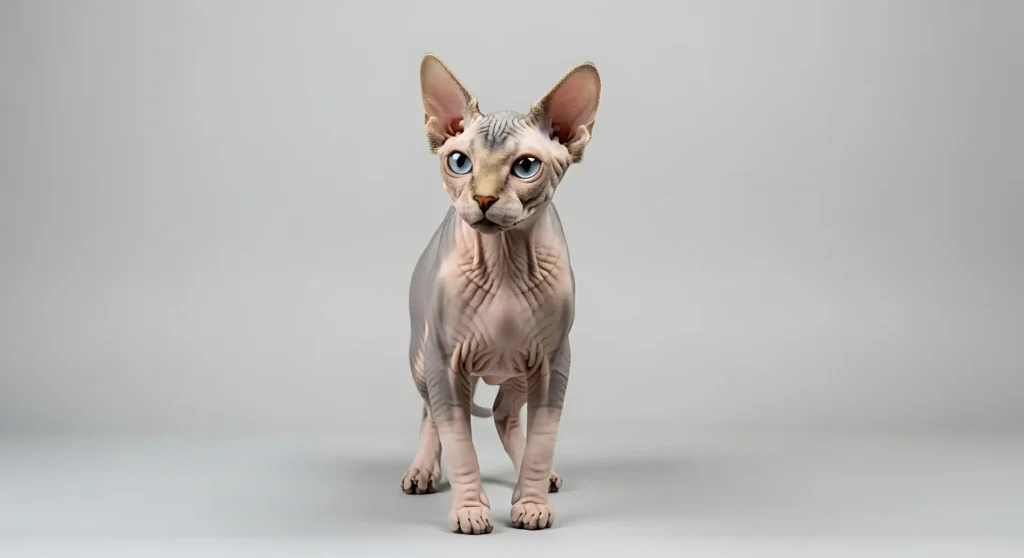


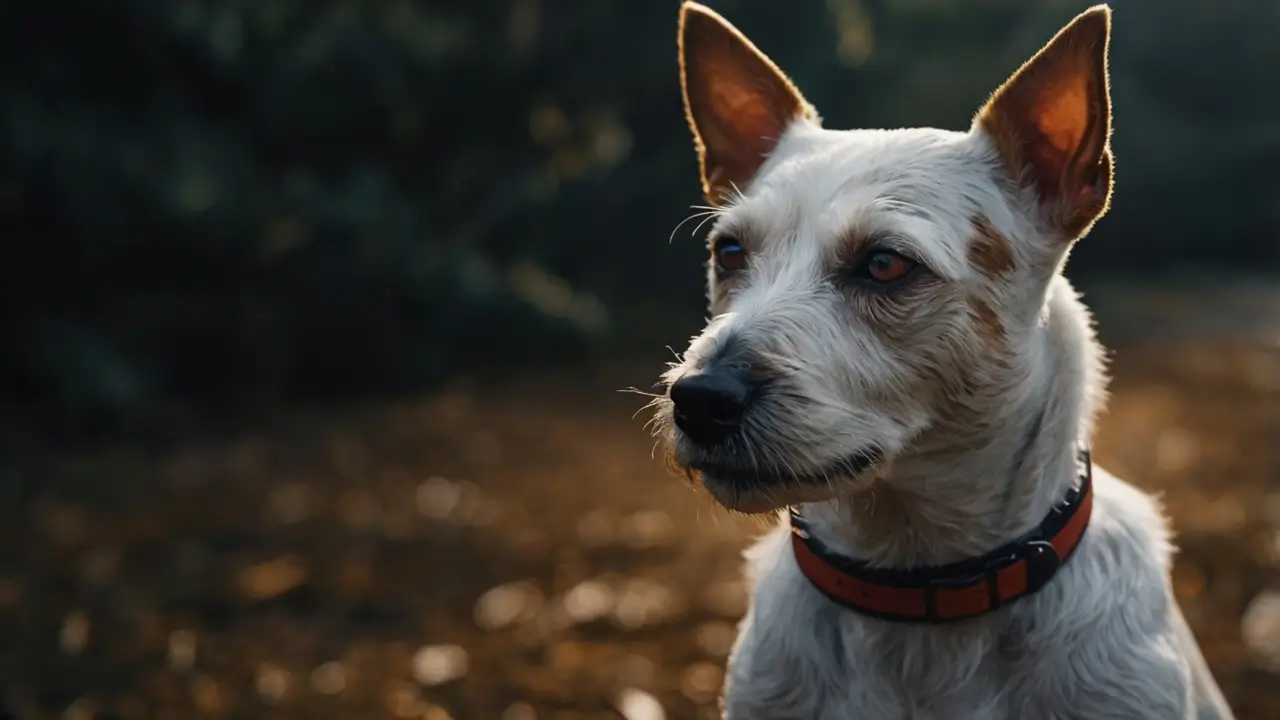
The Japanese Terrier Dog is an elegant pet from the land of Japan. Many families in 2026 search for a quiet and very loyal companion. At Love Your Pets Daily, we provide the latest facts for new owners. This breed is quite rare and has a very unique visual look. You will learn about their history and how to care for them. This guide explains the personality of this lovely and small Japanese dog. We want to help you understand this wonderful breed in every detail. Learning about their needs will help you create a very happy home.
What is a Japanese Terrier Dog?
The Japanese Terrier Dog is a small breed that came from Japan. It is the only native terrier breed found in that beautiful country. Most people in the West call this pet the nippon terrier today. They were first bred in the 1700s in the busy port cities. Sailors brought smooth terriers from Europe to the docks of Japan. These dogs were mixed with small native pointers to create a friend. This Nihon terrier was mainly kept as a lapdog for many families. They were never meant for heavy hunting in the wild fields. Unlike the Australian Cattle Dog, they prefer to live inside with people.
The breed became very popular in the city of Kobe long ago. People loved their clean look and their very polite house manners. In 2026, they are a symbol of Japanese history and careful breeding. This Japanese terrier is perfect for those who live in urban areas. They are small and do not take up much space at home. You will find them to be very quiet and highly observant pets. They are much smaller than most other dogs found in the West. This breed is a true treasure for any dedicated dog lover today.
Physical Appearance and Breed Standards
The Japanese Terrier Dog has a very striking and unique look. Their heads are usually black or tan, while their bodies stay white. This contrast makes them look very sharp and quite formal at home. The coat is exceptionally short and feels like soft velvet to touch. It is only about two millimeters long on their entire little body. This means they do not have a thick undercoat like others. You can see their strong muscles through the very thin fur. They are similar in size to a tiny Papillon dog today.
2026 Breed Standard Table
| Feature | Official Specification for 2026 |
| Average Height | 10 to 13 inches for both adult dogs. |
| Ideal Weight | 10 to 12 pounds for a healthy adult dog. |
| Coat Length | Extremely short and smooth, roughly 2mm in length. |
| Head Color | Usually black, tan, and white in a tricolor pattern. |
| Body Color | Predominantly white with small black or tan spots. |
| Ear Shape | V-shaped ears that fold forward or stay slightly erect. |
| Tail Type | Traditionally docked or carried in a high saber curve. |
Their eyes are dark and oval with a very keen expression. They look very alert and always ready for a fun game. Their skin is often pink under the white parts of their fur. This short-haired dog is very sensitive to cold or hot weather. You will need a small coat for them during the winter months. This smooth coat requires very little work to keep looking clean. They are a very healthy and muscular small breed of dog.
Temperament and Social Personality Traits
The Japanese Terrier Dog is known for being very cheerful and loyal. They are much calmer than the wild and energetic chihuahua dog. This breed loves to spend time cuddling with its favorite human family. They are very smart and can learn new tricks quite quickly. However, they can be a bit shy when meeting new people. Early socialization is very important to help them feel safe and happy. They will alert you to any visitors with a sharp bark.
This affectionate dog thrives on being the center of your daily attention. They are very sensitive to the mood of their owners every day. They prefer a quiet and calm home without too much noise. If you want a lapdog that stays quiet, this is it. They are less independent than many other types of small dogs. A Japanese terrier puppy needs a lot of love to grow well. They are a very lively and energetic friend for any adult. Their playful nature makes them a joy to watch in the house.
Japanese Terrier Dog vs. Other Terriers
Comparing the Japanese Terrier Dog to other breeds is very helpful today. Many people mistake them for a Jack Russell or Fox Terrier. While they look similar, their energy levels are very different indeed. The Japanese version is much more of a house companion dog. They do not have the intense hunting drive of a terrier dog. You will find them to be much more relaxed and quiet. Choosing this breed means you want a quiet and loyal friend.
Terrier Comparison Table
| Dog Breed | Average Weight | Energy Level | Suitability for Cities |
| Japanese Terrier | 10-12 lbs | Moderate | Excellent for apartments. |
| Jack Russell | 13-17 lbs | Very High | Needs a very large yard. |
| Rat Terrier | 10-25 lbs | High | Good for active city families. |
| Fox Terrier | 15-19 lbs | High | Better for experienced dog owners. |
| Norwich Terrier | 11-12 lbs | Moderate | Friendly and good for children. |
As you can see, the Japanese breed is very light and small. They are about the same weight as a small toy dog. This makes them very easy to carry and travel with. They are much calmer than most other terriers during the day. This compact size is a major benefit for many city dwellers. They are an intelligent dog breed that learns the house rules. Their loyal companion traits make them stand out from the rest.
Exercise and Mental Stimulation Needs
The Japanese Terrier Dog needs a good amount of exercise every day. They are not lazy dogs that want to sleep all day. You should aim for at least forty minutes of active movement. This can be split into two short walks around the block. They also love to play fetch with a small soft ball. Mental games are just as important as physical walks for them. Unlike a large lassie dog, they do not need huge fields.
Weekly Exercise Schedule
- Daily Walks: Two twenty-minute walks to explore the local neighborhood smells.
- Indoor Play: Ten minutes of hide and seek or light wrestling.
- Training Time: Five minutes of reviewing basic sit and stay commands.
- Social Play: Short visits to a quiet park with other dogs.
- Mental Work: Using treat dispensers to make them think about food.
Without enough exercise, they might start to chew on your furniture. This breed is very agile and can jump quite high. They would enjoy agility training or small dog sporting events today. A tired dog is always a well-behaved and very happy pet. This active dog needs a lot of toys to stay busy. They have an energetic personality that requires a good daily outlet.
Training and Socialization Blueprint
Socializing your Japanese Terrier Dog should begin during the first week. Because they are naturally shy, they need many positive new experiences. You should start this process as soon as they come home. Use plenty of small treats and very happy words for success. Never force your dog into a scary or very loud situation. They are much smaller and more delicate than a Maltese dog. This 12-week plan will help your puppy become a brave adult.
Puppy Socialization Timeline
- Weeks 1-2: Introduce them to all family members and the home sounds.
- Weeks 3-4: Let them see the vacuum cleaner and hear the doorbell.
- Weeks 5-6: Invite calm friends over to give the puppy some treats.
- Weeks 7-8: Take them on short car rides to different safe places.
- Weeks 9-10: Walk them near a school to hear children playing nearby.
- Weeks 11-12: Visit a pet store to see other animals from afar.
This slow approach prevents them from becoming fearful or very nervous. A socialized dog will be much easier to take to the vet. They will learn that the world is a very safe place. Be patient and always move at the speed of your puppy. They respond best to positive reinforcement and very gentle training methods. This social dog will eventually love meeting your favorite human friends.
Grooming and Daily Coat Care
Grooming a Japanese Terrier Dog is very easy for most pet owners. Their coat is so short that it rarely gets very dirty. You only need to brush them once every single week. Use a soft rubber brush to remove any loose, dead hair. This will keep their skin healthy and their coat very shiny. They do not shed like a fluffy Shih Tzu dog. This makes them a very clean choice for your home.
2026 Grooming Tool List
- Rubber Curry Brush: Best for removing loose hair from short coats.
- Dog Toothbrush: Use this daily to keep their breath very fresh.
- Oatmeal Shampoo: Perfect for their very sensitive and thin pink skin.
- Nail Grinder: Keeps their small claws short without any sharp edges.
- Ear Cleaning Solution: Helps prevent wax buildup in their folded ears.
You should also check their teeth at least three times weekly. Small dogs often have trouble with their teeth as they age. Regular cleaning will save you a lot of money at the vet. Most owners spend about fifty dollars a month on grooming. This breed is much easier to manage than a long-haired dog. Minimal grooming is a great feature of this short-haired dog. Their slender build stays clean with just a little bit of effort.
Health and Lifespan Updates for 2026
The health of the Japanese Terrier Dog is usually very good. They usually live for twelve to fifteen years with good care. However, you must be aware of some common genetic health issues. Choosing a good breeder who does health testing is vital. Regular checkups at the vet will help catch any small problems. They are sturdier than a very tiny and fragile Pekingese dog. Keep them at a healthy weight to protect their joints.
Breed Health Risk Table
| Health Condition | Risk Level | 2026 Prevention Method |
| Patellar Luxation | Moderate | Yearly knee exams by a trusted local veterinarian. |
| Eye Issues (PRA) | Low | Genetic DNA testing before breeding any new puppies. |
| Legg-Calve-Perthes | Moderate | X-rays of the hips once the dog is grown. |
| Ear Infections | Low | Weekly cleaning with a safe dog ear solution. |
| Cold Sensitivity | High | Using a warm sweater during the cold winter. |
This breed is not suited for living outside in a cold kennel. They need the warmth of a house and a bed. Good nutrition is the foundation for a long and happy life. Watch for any Japanese Terrier health issues during their senior years. Regular vet care will ensure they stay happy for a long time. Their life expectancy is excellent for a small and active breed.
Nutrition and Healthy Diet Plans
Feeding your Japanese Terrier Dog the right food is vital for health. They need a high-protein diet to support their small muscles. Small breeds have a very fast metabolism and need high-quality food. You should look for food that has real meat as an ingredient. Avoid any foods that contain a lot of corn or soy. This small Japanese dog can have very sensitive skin and stomach.
- Puppy Food: Feed them three small meals a day to help with growth.
- Adult Food: Switch to two meals a day once fully grown.
- Fresh Water: Always keep a clean bowl of water available for them.
- Healthy Treats: Use small pieces of carrot or apple as a reward.
- Weight Control: Measure their food carefully to prevent them from getting fat.
Good nutrition will help their velvet coat stay shiny and very soft. A healthy pet will have lots of energy for daily play. You might want to try a raw or fresh diet. Many owners find that this helps with skin allergies and energy. This indoor dog breed needs the right balance of fats and protein. Using a proper feeding schedule keeps their digestion very regular and healthy.
Finding a Japanese Terrier Dog in 2026
Finding a Japanese Terrier Dog requires a lot of careful research today. They are one of the rarest breeds in the entire world. There are only a few hundred living outside of Japan right now. You might have to wait for a long time for a puppy. Most breeders have a very long waiting list for their litters. Finding a Japanese terrier puppy for sale is a very difficult task.
You must be very careful to find an ethical and honest breeder. Never buy a dog from a store or an unknown place. Look for a breeder who loves the breed and does tests. They should be able to show you the puppy’s parents’ health. A Japanese terrier puppy for sale ad should be checked carefully. This rare dog breed deserves the very best start in a home. Most owners feel that the long wait is truly worth it. These dogs are a unique piece of living history for your family.
Conclusion
The Japanese Terrier Dog is a wonderful choice for families and city homes. They offer a mix of beauty, intelligence, and a very calm soul. While they are hard to find, the effort is truly worth it. Taking care of a rare breed is a very special journey. We hope this 2026 guide has helped you understand them better today. Every day with a Japanese Terrier is full of quiet love and joy. They are a true urban pet that fits a modern lifestyle.
FAQs
How big do Japanese Terriers get?
A Japanese Terrier Dog usually grows to be about 10 to 13 inches tall. They are very small dogs that weigh between 10 and 12 pounds. This compact size makes them perfect for people who live in apartments. They are very sturdy and muscular for such a light and small breed. You can easily carry them in a small travel bag when out.
Are Japanese Terriers rare?
The Japanese Terrier Dog is considered one of the rarest dog breeds today. There are only a few hundred of them living outside of Japan. Even in their home country, they are not a very common breed. Many people are working hard to protect the breed population in 2026. If you own one, you will likely have the only one.
How much does a Japanese Terrier cost?
A Japanese Terrier Dog can cost between $1,500 and $4,000 from a breeder. This high price is due to their extreme rarity and care. You may also have to pay for shipping if they arrive. Owners should budget for high-quality food and regular veterinary care every year. They are a premium breed that requires a serious financial investment today.
What is the lifespan of a Japanese Terrier?
The average lifespan of a Japanese Terrier Dog is 12 to 15 years. They are generally healthy dogs that live long lives if they eat. Regular exercise and dental care are key to helping them stay strong. Most of them remain active and very playful well into senior years. This breed provides many years of loyal companionship and joy to owners.