Understanding the history of the English white terrier dog is a very exciting journey for animal lovers. This elegant and sleek animal was once a famous star in nineteenth-century British dog shows. It was a pure white breed that owners prized for its very clean and refined look. However, you cannot find a purebred version of this specific dog in the world today. It is officially an extinct breed that left a very lasting mark on modern terriers.
At Love Your Pets Daily, we believe that learning about lost breeds helps us better value our current pets. This guide will explore the history, the health, and the legacy of this vanished white hunter. Let us look closer at why this animal remains so important to canine history in 2026.
What was the English white terrier dog?
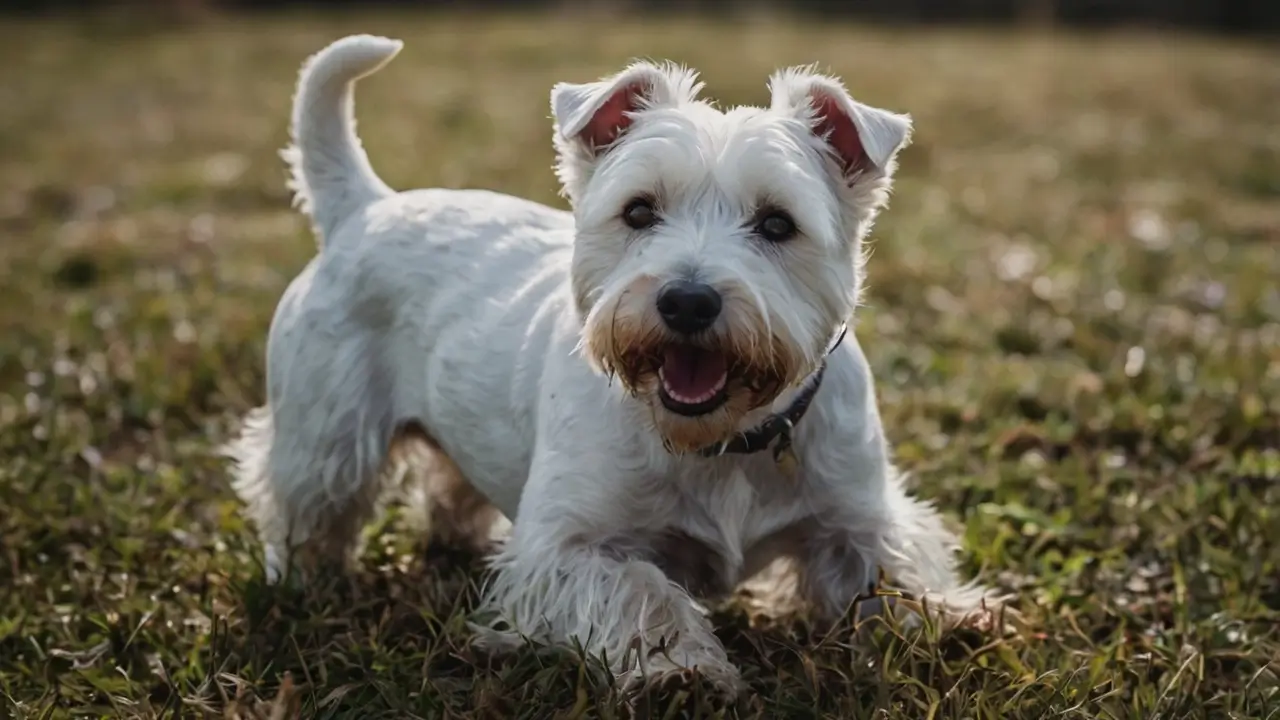
The English white terrier dog was a short-coated breed that was very popular in the Victorian era. It was first recognized by the Kennel Club in England between 1873 and 1912. Breeders created this dog by using the Black and Tan Terrier as a primary foundation. They wanted to create a dog that was pure white and looked very sophisticated for shows. This British terrier breed stood out because of its very smooth and athletic physical frame. It was more of a show dog than a rugged hunter used in the deep woods. Most adults weighed between twelve and twenty pounds during the height of their popularity.
This white terrier dog was known for its very thin and elegant body shape. It did not have the rough or wiry coat seen on many other terrier breeds. Instead, its fur was very short, hard, and extremely glossy to the touch. The pure white coat was the most essential trait for any dog in the ring. Any colored spots on the fur would lead to a fast disqualification from the show. This strict focus on color caused many problems for the health of the entire breed. Over time, the English white terrier dog became a very fragile animal with a small gene pool.
Detailed English white terrier dog History and Timeline
The history of this breed started in the middle of the nineteenth century in England. It was a time when dog shows were becoming a very popular hobby for people. Breeders worked hard to refine the look of the old English terrier to win prizes. By the year 1873, the breed had gained official status from the leading dog clubs. The population grew quickly as many wealthy families wanted a stylish and clean white pet. However, the rise of the breed was met with very serious genetic health issues. You can check your Daily calendar to see how fast these historical changes happened.
Historical Timeline Table
| Year | Significant Breed Event | Breed Status in History |
| 1860s | First breeding of Black and Tan Terrier strains | Emerging Breed |
| 1873 | Official recognition by the British Kennel Club | Recognized Breed |
| 1894 | Publication of the first official breed standards | Peak Popularity |
| 1900s | Major decline due to chronic deafness and inbreeding | Declining Breed |
| 1912 | Removal from the official registry lists | Unofficial Status |
| 1940s | The last known purebred individuals died out | Extinct Breed |
| 2026 | Modern enthusiasts try to recreate the original look | Recreation Phase |
The origin of the English White Terrier dog is closely linked to city life and shows. Unlike the hardy Australian cattle dog, these terriers were bred for their physical beauty alone. By the early 1900s, people noticed that many puppies were born completely deaf. This congenital deafness was a direct result of breeding for a pure white coat. As the health of the dogs failed, many owners switched to other active breeds. The fox terrier became a much more popular choice for both hunting and companionship. This shift in fashion led to the eventual extinction of the original white line.
Physical Appearance and Breed Standards
The English white terrier dog had a very distinct look that experts still study today. According to old records, the coat had to be pure white and very short. The legs were long and thin, which gave the dog a very leggy appearance. Its head was long and narrow with a muzzle that tapered toward the nose. Some owners would crop the ears to make them stand up in a sharp V-shape. This was a common show practice during the Victorian era for many different dogs. The overall build was muscular but remained very light and extremely graceful.
Physical Appearance Table
| Feature | Description of the Breed Standard | Modern Breed Comparison |
| Coat Color | Pure white with a very glossy shine | Like a white Maltese dog |
| Coat Texture | Short, hard, and very close to the skin | Similar to a bull terrier |
| Weight Range | 12 to 20 pounds total weight | Like a large chihuahua dog |
| Body Build | Slender, leggy, and very athletic | Similar to an Italian greyhound |
| Ear Shape | Naturally dropped or cropped for shows | Like a Boston terrier |
| Tail Shape | Tapered and carried in a slight curve | Like a Manchester Terrier |
The refined frame of this dog made it look like a very small hound. It was much more elegant than the sturdy and small Papillon dog breeds we see today. The lack of a thick undercoat meant that these dogs felt the cold easily. They were best suited for living inside a warm house with a caring family. Because they had very short hair, their grooming needs were actually very low. Owners only had to brush them once a week to keep the coat shiny. This made them very popular for people who lived in busy London apartments.
Temperament and Working Instincts
The personality of the white terrier dog was gentler than that of other hunting terriers. They were very loyal to their owners and enjoyed spending time indoors with them. Most terrier breeds are known for being very loud and extremely energetic. However, the English white terrier Dog was described as being a much calmer and quieter pet. They still had a strong prey drive, which made them good at catching rats. They were alert and could act as an alert watchdog for the family home. This balanced nature made them very desirable for many city dwellers in England.
Trait Assessment Table
| Personality Trait | Intensity Level | Notes on Behavior |
| Loyalty | Very High | Very attached to their human family |
| Energy Level | Moderate | Enjoyed walks, but loved the sofa |
| Aggression | Very Low | Much gentler than other terrier types |
| Trainability | Moderate | Intelligent but could be quite stubborn |
| Barking | Low | Usually very quiet inside the house |
| Prey Drive | High | Excellent for rating in city areas |
Even though they were not fighters, they were still very brave and active dog companions. A chihuahua dog might be small, but these terriers were much more athletic. They enjoyed playing games in the park and learning a few simple tricks. Because many were born deaf, they learned to watch for hand signals very well. Owners had to be very patient when they were training a deaf puppy. They were sensitive dogs that responded best to positive rewards and soft voices. They were very friendly with children if they were raised with them from birth.
Health Issues and the Genetic Legacy
The health of the English white terrier dog was the main reason for its end. Breeding for a pure white coat caused many health problems in purebred dogs. The most common issue was deafness, which affected a large part of the population. Selective breeding issues also led to very sensitive skin and many different allergies. Many dogs had weak immune systems because the gene pool was much too small. This made it very hard to keep the breed healthy over many long generations. Despite these flaws, their genes helped create many of the dogs we love today.
Health and Legacy Table
| Major Health Issue | Primary Genetic Cause | Impact on the Breed |
| Congenital Deafness | The white pigment gene link | Caused many dogs to be deaf |
| Skin Sensitivity | Lack of protective pigment | Led to frequent rashes and sores |
| Inbreeding | Small number of parent dogs | Weakened the overall immune system |
| Weak Constitution | Lack of genetic diversity | Made them less hardy than others |
The Bull Terrier’s ancestry is directly linked to this extinct white dog breed. James Hinks used the white terrier to create the famous “White Cavalier” show dog. The white terrier gave the Bull Terrier its clean color and refined head shape. You can also find their markers in the Boston terrier and the Manchester terrier. Even the modern fox terrier has some distant relation to this lost white line. While the breed is gone, its physical beauty lives on in these modern animals. It is a very important part of the entire terrier family tree.
Comparing the White Terrier to Modern Breeds
It is helpful to compare this lost dog to a modern terrier dog today. The West Highland White Terrier is the most famous white dog in the world. However, the Westie has a very thick and rough coat for outdoor work. The English white terrier dog had a coat that was smooth and very thin. It was also much taller and more slender than the sturdy little Westie. Its body was much more like the Manchester terrier in its sleek style. Both breeds shared a similar history in the Victorian show rings of England.
Breed Comparison Table
| Feature | English White Terrier Dog | Bull Terrier | Manchester Terrier |
| Coat Type | Smooth and very short | Smooth and very short | Smooth and very short |
| Color | Pure white only | White or colored | Black and tan only |
| Size | 12 to 20 pounds | 50 to 70 pounds | 12 to 22 pounds |
| Leg Length | Tall and very leggy | Thick and muscular | Long and very slender |
| Ears | Often cropped V-shape | Naturally pointed up | Naturally folded or up |
If you like the energy of the Australian Cattle Dog, you would like them. They had a very playful spirit and a very graceful way of moving. A lassie dog is much larger, but both breeds are very loyal companions. The white terrier was a unique mix of elegance and a typical terrier spirit. It did not have the long flowing hair of a Shih Tzu dog. Instead, it looked like a small and very white athlete ready for action. This unique look is what makes people still talk about them in 2026.
Detailed Reasons for the Extinction
Many people ask how such a beautiful dog could vanish from the world. The white terrier’s extinct status happened for several very clear historical reasons. First, the congenital deafness made it very difficult for most families to keep. A deaf dog cannot hear commands or danger coming toward them in the city. Second, breeders were too focused on the pure white color for the shows. This meant they ignored the physical health and strength of the breeding dogs. Eventually, the dogs became too fragile to live long and healthy lives.
The rise of the bull terrier also played a very big role in their end. People wanted a dog that was white but also very strong and hardy. The Bull Terrier offered the same color but with a much tougher body. Modern hunters also stopped using the white terrier because it lacked a thick coat. They preferred the fox terrier because it could handle the rain and cold. By the time the kennel club stopped recognizing them, few breeders remained active. The last few dogs lived as pets until the breed was gone forever.
Modern Recreation Efforts in 2026
In 2026, some enthusiasts are trying to recreate the extinct old English terrier look. They are not using old DNA, but they are using selective breeding today. They crossbreed like the bull terrier and the Manchester Terrier to mimic them. The goal is to create a healthy, white dog that looks like the original. These new dogs are sometimes called “Neo-English White Terriers” by their local fans. They are breeding for the same elegant frame but without the terrible deafness. This is a very slow process that requires a lot of careful work.
Recreation Success Factors
- Genetic Testing: Using modern tools to ensure that all puppies can hear.
- Health Screening: Checking for skin issues and heart problems in parent dogs.
- Small Numbers: There are likely fewer than one hundred of these recreations.
- No Official Status: They are not yet recognized by major dog registry groups.
- Global Interest: Breeders in Japan and the UK are leading these new efforts.
These modern dogs are much healthier than the ones from the nineteenth century. They have the same white coat but with a much better immune system. Owners say they are very intelligent and make a great family pet today. They do not have the long hair of a Maltese dog, so they stay clean. You might see one at a small specialty show in a big city. It is a tribute to the past that helps keep the memory alive. This work shows how much people still love this elegant white dog.
Hypothetical Care and Lifestyle Fit
If the English white terrier dog lived today, what would it need? It would require a very warm home and a soft bed to sleep. Their thin skin would need protection from the sun during the summer months. You would need to feed them high-quality food to prevent any skin allergies. They would be perfect for someone living in a small city apartment in 2026. Because they were active dog pets, they would need a short walk daily. They would be a very friendly and playful companion for a quiet owner.
Care Guide for a Small White Terrier
- Grooming: Brush them once a week with a very soft grooming brush.
- Exercise: Provide thirty minutes of light play or a walk every day.
- Training: Use hand signals and treats for a very positive training experience.
- Clothing: Use a dog sweater during the winter to keep them very warm.
- Socialization: Introduce them to new people early to prevent any natural shyness.
This breed would likely be hypoallergenic because they had such very short hair. They would be a good choice for people who have small house allergies. A Shih Tzu dog needs a lot of hair care, but these do not. They would enjoy the company of other small pets like a Pekingese dog. Their protective instinct would make them bark if someone came to the door. However, they would quickly settle down and be ready for a nice nap. They would be a very loving and graceful addition to any modern family.
Conclusion English white terrier dog
The English white terrier dog is a beautiful reminder of our shared canine history. While the original breed is extinct, its beauty lives on in modern dogs. We can see its influence in the Bull Terrier and the Manchester Terrier today. The story of this dog teaches us to prioritize health over physical beauty. We must ensure our pets are healthy, happy, and have a strong spirit. At Love Your Pets Daily, we honor the memory of this elegant white dog. Perhaps the recreation efforts will one day bring a healthy version back to us. Until then, we can appreciate the legacy of this vanished Victorian star. A Pekingese dog might be the king of the sofa, but this dog was the king of the ring.
FAQs
Is the English White Terrier extinct?
The English White Terrier is an extinct breed that died out completely by the middle of the 1900s. It was removed from official registry lists after popularity faded due to major health issues. Most experts agree that there are no purebred individuals left in the world today.
Why did the English White Terrier go extinct?
This dog went extinct because it suffered from severe genetic health problems, such as total deafness. Breeders prioritized a pure white coat, which led to a very dangerous and small gene pool. Modern hunters also preferred more active breeds like the Fox Terrier for their daily work.
How did the English white terrier go extinct?
The breed slowly disappeared as fewer people chose to enter them into Victorian dog shows. Inbreeding caused the dogs to become physically weak and very difficult for families to keep. Eventually, the last few living dogs died without any new puppies to continue the line.
What were English White Terriers used for?
These dogs were primarily used as elegant companions for the show ring and for ratting. They were prized for their pure white coats and their very sleek, refined physical appearance. While they had hunting instincts, they were rarely used for heavy field work in forests.