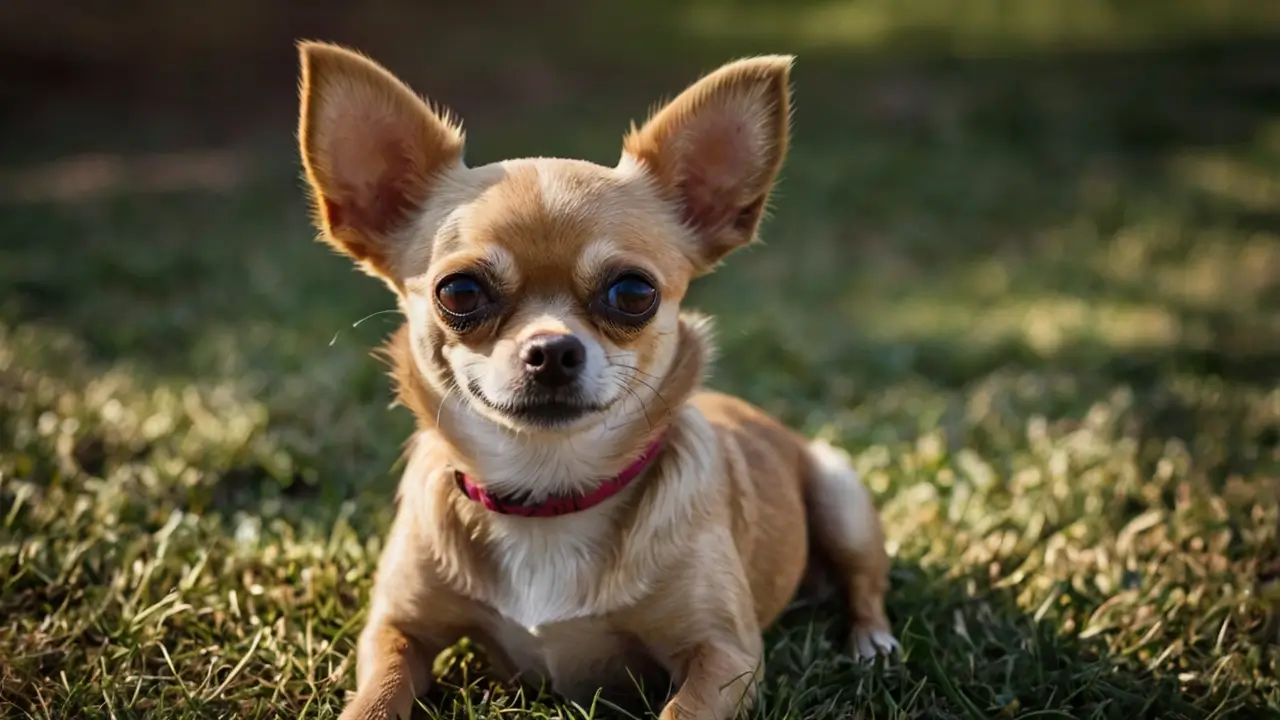
Chihuahuas may be tiny, but their reputation comes from their truly big personality. This toy dog breed is often called “saucy” or bold. They are fiercely loyal and deeply affectionate with their favorite people. Forget the old myths: a healthy Chihuahua Dog is not a fragile “yappy ankle-biter.” Breed experts agree they are stable, healthy small dogs with a surprising, adventurous spirit.
This friendly guide covers everything about the Chihuahua Dog breed. You will learn its fascinating history and dynamic temperament. We cover essential health facts and required care. You’ll learn to properly feed and train them. We help you manage their grooming needs and choose a Chi wisely. By the end, you will understand exactly why they are called a “big dog in a small body.”
History & Origin of the Chihuahua Dog Breed
The origins of the modern Chihuahua Dog go deep into ancient Mexico. Most experts believe the breed descends from the Techichi. This was a slightly larger companion small breed of the Toltec people. That civilization thrived from about 800 to 1000 AD.
Ancient Techichi and Aztec Significance
The Aztecs later valued the Techichis greatly. They believed these small dogs had a sacred job: guiding souls to the afterlife. Because of this, they were often buried with their owners. The Spanish arrived in Mexico in the 16th century. They brought some of these small dogs back to Europe. They also interbred them with the local Techichis. This refined line of tiny companion dog breeds flourished in the Mexican state of Chihuahua. That is where our cherished dog gets its name today. European travelers first documented the breed there in the 1850s.
Official Recognition and Genetic Roots
By the late 1800s, Chihuahuas found their way into the United States. The American Kennel Club (AKC) officially recognized the breed in 1904. It was first listed as the “Midget” in one Texas registry. The bloodlines of the breed Chihuahuas have continued to evolve. Yet, they stay strongly linked to their New World, Mexican roots.
You might hear other origin tales. Some claim links to a Chinese hairless dog breed or a Maltese dog lineage. However, genetic studies consistently show their origins in the Americas. Overall, the chihuahua dog breed has a fascinating history. It went from a treasured ancient companion to a beloved, modern pet.
Physical Characteristics & Coat Varieties
Chihuahuas are one of the smallest dog breeds in the world. They typically stand only about 6–9 inches tall. They weigh a tiny 2–6 pounds. Despite their small size, they have a sturdy body. They boast the famous compact, apple-shaped head. This includes large, round eyes and characteristic, erect ears.
The Two Recognized Coat Types
The AKC breed standard officially recognizes only two coat varieties. They are categorized only by length: the Smooth (short) coat and the Long coat.
- Smooth-coat Chihuahuas have sleek, glossy fur. It lies close to the body, needing minimal grooming.
- Long-coat Chis (or long-haired chihuahuas) have soft, flowing fur. They have a noticeable fringe on the ears, tail, and legs. This gives the long-haired chi an elegant appearance.
Both coat types usually have a ruff of fur on the neck. The underside has little to no undercoat. This is because they are a single-coated small breed.
Colors, Patterns, and the ‘Teacup’ Controversy
Chihuahuas come in a stunning rainbow of colors. Solid colors include fawn, white, black, brown, blue-gray, silver, or red. You will also see patterns like brindle or tricolor. Certain colors are rare and sometimes controversial. Focus always on the coat’s health and sheen, not just the shade.
A common variation mentioned is the “teacup” Chihuahua. These pups are marketed as under 4 pounds. However, breed clubs strongly warn that “teacup” has no official meaning. It often comes with serious health issues. The Chihuahua Club of America says coat length is the only recognized variety, not size. Selling chihuahua puppies based on their size is risky. It can compromise their health, leading to bone and organ problems. A PetMD veterinarian warns that “teacup” breeding can unnecessarily cause health problems.
Head Shape Distinctions
Another informal difference is the head shape. There is the apple-head (the standard round skull). Then there is the deer-head (a longer snout and slender muzzle). Only the apple-head is accepted by kennel standards. However, both types are widely seen in pet populations. All Chihuahuas have a single coat layer. They have big expressive eyes and an alert, proud stature. The Chihuahua Dog breed is unified by its petite size. If you are curious about a different breed’s unique markings, look up the Australian Cattle Dog.
Personality & Temperament
Don’t let the Chihuahua’s small size trick you. They truly are big dogs in small bodies. Their personality and temperament are very confident and lively. They are also incredibly affectionate. Many Chihuahuas are deeply loyal lap dogs who love to cuddle. But they always have bursts of spunk and a high energy level. They often have a “saucy” expression. They are definitely not afraid to show attitude. Chis often act as if they are much larger dogs than they actually are. They can be bold and curious or shy and reserved. However, they are typically playful with their family. A PetMD vet calls them “loyal, playful, energetic dogs.”
Loyalty and the ‘Watchdog’ Attitude
Chihuahuas are known for their deep devotion to their owner. Many bond strongly with just one person. They will follow you everywhere. They will happily settle contentedly on your lap. They make vigilant little watchdogs. You will definitely hear a Chihuahua bark at visitors or odd sounds. This shows their vocal nature.
This “big watchdog” attitude can make them suspicious of strangers. Socialization is key to teaching them that new people are not threats. Well-socialized Chis will warm up to visitors. They successfully get along with other pets over time.
Training, Intelligence, and Independence
Younger chihuahua puppies are spunky and active. They do well with short walks. They enjoy engaging in indoor play sessions. They are intelligent enough to love learning games and tricks. Chis are highly intelligent. They respond very well to positive, consistent training.
But they can be a bit bossy or stubborn. Give them clear rules and boundaries. This is a common trait: they are smart. They may try to dominate unless you show calm leadership from the start. Early obedience training and full socialization are vital. This will help your Chihuahua Dog become a friendly, well-mannered adult.
The Need for Attention
Chihuahuas do best when they are fully included in the home life. They really hate being ignored. They easily develop separation anxiety if left alone too much. These little dogs feel safest close to you. They often love being carried. Some owners train them to use indoor potty pads. This is especially true on cold days. Because of their small size and deep devotion, they thrive in an attentive household. A Chihuahua’s temperament is affectionate and loyal. It comes with a generous dose of confidence and a lively energy level. Treat them with respect, training, and fun. You will gain a bright, loving, and deeply loyal friend.
If you want to know about other loyal dog breeds, you can learn the history of the Lassie dog.
Health & Lifespan of the Chihuahua Dog
Chihuahuas are generally healthy dogs. They are remarkably long-lived for dog breeds. The average Chihuahua lifespan is about 14–16 years. This toy dog, a small breed, is one of the longest-living small dogs. Many Chis easily live 16–18 years. Some even reach their late teens or early 20s with great care. Their small size is key to their longevity. Small dogs simply age more slowly than larger dogs.
Common Health Issues to Monitor
Despite their long lifespan, Chihuahuas have a few breed-specific health issues. Knowing about these helps you practice preventative care. You can catch any health problems early.
- Dental Disease: This is an extremely common health issue. Their tiny mouths crowd 42 teeth. This quickly causes plaque and tartar buildup. Daily brushing and vet cleanings are critical. They help avoid serious periodontal disease.
- Orthopedic Issues: This includes Patellar Luxation (slipping kneecaps). It is common in many small dog breeds. Watch for skipping or limping.
- Hypoglycemia: This is mainly a risk for chihuahua puppies. Feed young Chihuahuas frequent small meals. This keeps their blood sugar stable.
- Respiratory Issues: They are prone to Collapsed Trachea. This causes a distinct goose-honk cough.
- Heart Disease: Chronic mitral valve disease is common in older Chis. Heart disease is a leading cause of death. Yearly cardiac exams are essential.
- Eye Problems: Their large, prominent eyes are sensitive. They can be prone to injuries or cataracts.
- Hydrocephalus: This is a congenital risk. It is fluid in the skull.
Importance of Preventative Care
Preventive care works very well. Keep your Chi at a healthy weight. Obesity drastically shortens their lifespan. It worsens joint or heart disease. Schedule regular vet check-ups. Introduce tooth brushing as early as possible. For older Chihuahuas, ask your vet about joint supplements. Ensure their exercise requirements are low-impact. With great care, your Chihuahua Dog can enjoy a very long, healthy life.
Nutrition & Diet for the Small Breed
A Chihuahua’s diet must match its small size. It must support its high-energy-level metabolism. Small-breed formula dog food is best. It has smaller kibble pieces. It has more calories per cup. This meets the Chi’s needs in a tiny package.
Feeding Schedules and Portions
Chihuahua puppies under six months need 3–4 small meals daily. This maintains stable blood sugar and supports growth. Adults typically do well on 2 meals per day. For example, about ½ cup of high-quality dry food total. Split this between morning and evening.
The exact amount depends on your Chihuahua’s weight and activity. Chihuahuas get obese easily. Measure portions carefully. Absolutely avoid leaving food out all day.
Treats and Hydration
Offer nutritious treats in moderation. Great choices include small pieces of cooked carrot. Plain apple slices (no seeds) are good. You can offer steamed green beans or lean cooked meat. Dental chews for small dogs are a bonus. They help clean teeth.
Avoid too many treats. Say no to high-fat table scraps like cheese. They can cause weight gain. They may trigger hypoglycemia in pups. Always provide fresh water. Tiny small dogs can dehydrate quickly.
For more care advice for small dogs, see more thrilling guides on Love Your Pets Daily.
Exercise, Play & Mental Stimulation
Chihuahuas are surprisingly active and playful. This is true even with their short legs. They love short bursts of energy. They prefer these over long endurance exercises.
Physical Exercise Requirements
A daily walk of 10–15 minutes is usually enough. This meets the exercise requirements for most adult Chis. They also enjoy indoor games. Try “chase the toy,” gentle tug-of-war, or fetching a soft ball. PetMD says, “daily exercise with walks and indoor playtime helps maintain their physical and mental health.” Keep play sessions lively. Chihuahuas often have “zoomies” around the house. This is a great physical outlet for their energy level.
The Need for Mental Stimulation
Chihuahuas are intelligent and can get bored. Mental stimulation is just as important as physical activity. Use puzzle feeders. Teach them new tricks (they are quick learners). Hide treats for them to sniff out. Short training sessions are a great brain workout. They also reinforce good socialization and behavior.
Many Chis love to be included in activities. They will happily tag along on errands. They may go on short hikes. You can carry them in a small backpack if needed.
Safety During Play
Be aware of their fragility during exercise. Never let your Chihuahua play roughly with larger dogs. Be careful around stairs or high jumps. This is especially true with chihuahua puppies. Use caution to prevent knee injury. They warm up quickly, so don’t exercise them in very hot weather. Use a harness instead of a collar for walks. This protects their delicate throat from injury.
Long Hair Chihuahua Needs
Chihuahuas have relatively low grooming needs. But they do require regular basic care. Grooming requirements mostly depend on their coat type:
Smooth (Short) Coat Care
- Brushing: Brush about once a week. Use a soft brush to remove loose hair. Smooth-coated Chihuahuas shed moderately. Weekly brushing keeps their coats healthy.
- Bathing: Bathe about once a month, or as needed. Use a gentle dog food shampoo. Bathing too much can cause dry skin.
Long Coat Grooming (The Long Haired Chihuahua)
- Brushing: Brush 2–3 times per week. This prevents tangles and matting. Use a slicker brush or comb. Pay extra attention to the longer “feathers.”
- Bathing: Long-haired chihuahuas may need baths every 4–6 weeks. This is more often if they spend time outdoors. Dry them thoroughly to prevent chills.
Never shave a Chihuahua’s fur completely. Their single coat layer provides necessary protection.
Essential General Care Routine
- Dental Care: This is crucial for this small breed. Brush their teeth daily if you can. Use dog toothpaste to fight plaque buildup. This prevents periodontal disease.
- Nail Trimming: Trim nails at least every 2–3 weeks. Overgrown nails hurt their tiny feet.
- Eye Care: Gently wipe their large, sensitive eyes daily. Use a damp cloth to remove tear stains.
- Temperature: Chis are sensitive to cold. They need a soft sweater or jacket in chilly weather. This helps regulate their body temperature. Always protect them from overheating on hot days.
Chihuahua care is very manageable due to their small size. Most grooming needs can be done at home quickly. Compared to other dog breeds, the long-haired chi often has a beautiful look. This is unlike the wiry coat of a terrier dog.
Choosing, Buying, or Adopting a Chihuahua
Bringing a Chihuahua Dog home is exciting. Whether you buy from a breeder or adopt, you must do your research.
Buying from a Reputable Breeder
If buying a chihuahua puppy, you must find a trustworthy breeder. Use resources like the Chihuahua Club of America or the AKC. They can help you find breeders with strict health guidelines. When you visit, always ask about these things:
- Health Screening: Responsible breeders test the parents. They look for patella certifications and heart checks.
- Socialization: Puppies must be exposed to different sounds and people early on.
- Puppy Age: Puppies must stay with their mother until they are 8–12 weeks old.
Know that reputable Chihuahua puppies can cost between $800–$2,000. Never pay extra for a “teacup” guarantee. It is a misleading term.
Adopting from a Rescue
Adopting a Chihuahua from a shelter is rewarding. Breed-specific rescues are also great options. Rescues often provide spay/neuter surgery and vaccinations. Adopting saves a life. It is usually less expensive. You may get an adult small breed. Its temperament is already developed. The key is responsibility, no matter how you choose. Ensure your new Chihuahua Dog has a loving home.
Lifestyle Fit: Adaptability & Living with a Chi
Chihuahuas are highly adaptable. They fit well into many lifestyles. They do have special needs because of their small size.
Ideal Living Arrangements
- Apartment/City Living: They are perfect for apartments or small homes. Their small size means no yard is needed. Their exercise requirements are modest. Their vocal nature makes them good watchdogs. City owners must manage barking to keep the peace.
- Climate: Chihuahuas are cold-sensitive. You must keep them warm with jackets in chilly weather.
Social Dynamics
- Solo Owners or Couples: Chihuahuas often bond strongly with one person. They make great companions for singles. Their devotion can cause separation anxiety.
- Families with Children: They can be good family pets. But they are very fragile around young children. Toddlers can accidentally hurt them. Close supervision is mandatory. They do best with older children.
- Other Pets: They usually get along well with other small dogs. Introductions to cats must be slow. Never leave a Chihuahua alone with much larger dogs. Their small size makes them vulnerable.
The Chihuahua Dog has a big personality. They deserve to be treated like the loyal companion he is. The Chihuahua Dog stands out among dog breeds. It is known for its bold demeanor. If you want to research another small dog breed with a big reputation, check out the papillon dog.
Myths, Mistakes & Things to Avoid
Debunking common myths is vital. It ensures the right care for your Chihuahua Dog.
The “Little Dog Syndrome” Trap
- The “Teacup” Myth: “Teacup” is only a marketing term. It is not an official dog breed variety. Breeding for small size leads to unhealthy chihuahua puppies. It causes increased health problems.
- “Yappy Ankle-Biters”: Chihuahuas have a vocal nature. But excessive barking means they lack training. Proper socialization can stop unnecessary barking.
- They are Too Fragile to Train: Spoiling a Chihuahua is a mistake. It can lead to “little dog syndrome.” This is where the dog acts like the boss. Chihuahuas are intelligent. They respond best to consistent training challenges and clear rules, just like larger dogs.
Common Care Mistakes
- Collars vs. Harnesses: Avoid using a tight collar. Chihuahuas are prone to tracheal collapse. Always use a soft harness for walks. This protects their delicate throat.
- Skipping Exercise: Skipping daily play causes weight gain and boredom. Chihuahuas need short walks and playtime. Do not confuse “low exercise requirements” with “no exercise needed.”
- Introducing Pets: A Chihuahua can feel threatened by a bigger dog. Always introduce new animals slowly and carefully.
Treat your Chihuahua like the smart, sensitive dog they are. Do not treat them as a fragile accessory. Give them training, socialization, and respect. You will get a well-adjusted companion.
Conclusion
The Chihuahua Dog is small, yes. But they bring boundless joy and a big personality. They are spirited, loyal, and full of quirky charm. You are now equipped with knowledge about the chihuahua dog breed. You know their grooming needs and training challenges. You know their lifespan and common health concerns. You can give them the best care. With the right love and environment, a Chihuahua Dog can thrive anywhere. Embrace their lively temperament and unique charm. You will quickly discover how big this tiny dog’s heart truly is.
FAQs
Are Chihuahua dogs good pets?
Yes, Chihuahua Dogs are excellent pets. They are great for singles, seniors, and older kids in urban areas like San Diego or Chicago. They are incredibly loyal lap dogs. They thrive on constant affection, offering a huge personality in a small package. Because they are fragile and fiercely loyal, they need early socialization. They must be watched closely around small children or very large dogs.
How much do Chihuahuas usually cost?
The cost of a Chihuahua puppy varies greatly. It depends on the breeder’s fame and your location. A reputable breeder charges from $800 to $2,500. Rare colors can cost more. Adopting from a local rescue is cheaper. It usually costs between $50 and $300. This includes initial vet care and often spay/neuter.
What is the #1 most cuddly dog?
The title of the #1 most cuddly dog is often debated. The Golden Retriever and Cavalier King Charles Spaniel are contenders. But the Chihuahua Dog is a top choice among small dogs. They are highly devoted lap dogs. They form strong bonds and actively seek cuddles. Their compact size makes them the perfect portable cuddle buddy.
What two breeds make a Chihuahua?
The Chihuahua Dog is an ancient, pure dog breed from Mexico, not a new mix. Experts believe the modern Chihuahua came from the Techichi. This was a companion small breed of the Toltec civilization. The Techichi was later bred to be smaller. This was likely done with a small, hairless Asian-origin dog or by the Aztecs. This created the incredibly small-sized dog we see today.