

You have likely seen them scrolling through your social media feeds. Or perhaps you’ve seen them gracing the labels of gourmet pet food. The Persian cat is famous for its luxurious, long fur and sweet “pansy-like” face. With an air of absolute royalty, they look like living art. And frankly, they expect to be treated that way. But beyond the viral fluffy appeal lies a complex question for every potential owner. Is a Persian cat a good pet?
For the right person, the answer is a resounding yes. They are arguably the most affectionate cat breed you will ever find. They are gentle souls who prefer a quiet lap over wild play. However, they are not a “set it and forget it” type of animal. In 2025, owning a Persian cat requires a serious budget. It also demands a strict daily brushing routine and a commitment to managing their unique health needs.
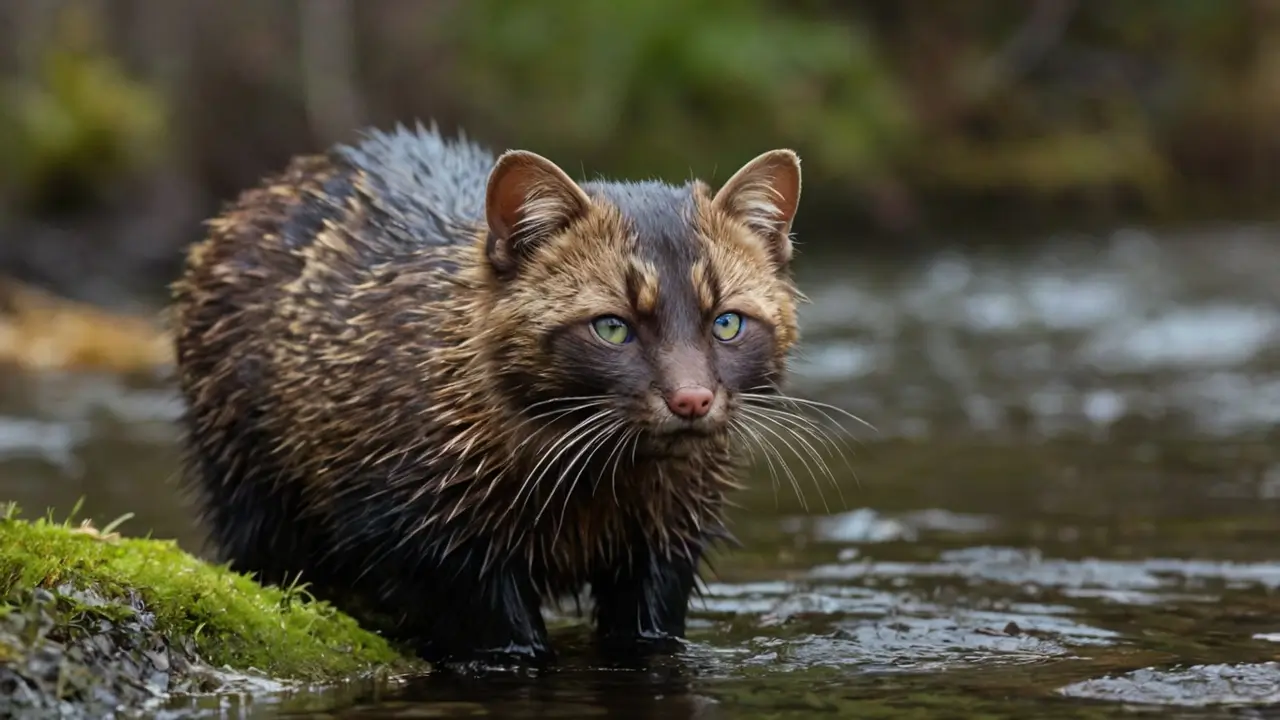
If you are looking for a high-energy hunter like the Fisher cat, this breed is not for you. But if you want a devoted lap cat for your quiet apartment, the Persian might be your perfect match. This comprehensive guide breaks down everything from the Persian cat pros and cons to the reality of grooming costs. At Love Your Pets Daily, we believe in honest, unfiltered advice to help you make the best choice.
Persian Cat History and Evolution
To truly understand this cat breed, you must look at their long, fancy history. The Persian cat is an ancient breed, with origins dating back to 1684 BC.
Where Are Persian Cats From?
As their name suggests, these cats originated in Persia (modern-day Iran). They were highly valued caravan trade items. People cherished them for their long fur, which protected them from the cold in mountainous regions. Italian traveler Pietro della Valle is credited with bringing the first Iranian cat to Europe in the 1600s.
By 1871, the Persian cat breed stole the show at the very first organized cat show. This took place at the Crystal Palace in London. Queen Victoria herself became a cat fancier and owned several blue Persians. This cemented their status as a fashionable pet.
Evolution of the Look
Over time, breeders drastically changed what a Persian looks like. Early Persians had longer noses (now often called “Doll Face” or traditional). In the 1950s, a genetic mutation led to the “Peke-face” or ultra-flat face look. Unlike the sharply marked Tuxedo cat, the Persian focuses on a soft, rounded silhouette. Today, ethical breeding in 2025 is shifting slightly back toward moderate muzzles. This helps improve breathing, though the flat face remains the breed standard.
Physical Traits and Breed Standards
The Persian cat is built to be admired, not for speed. They are a medium to large breed, characterized by a “cobby” (sturdy and rounded) body type.
What Does a Persian Cat Look Like?
Their most famous feature is their massive, round head and short snub nose. They possess large eyes, often copper, blue, or green, which give them a sweet, open expression. Underneath that massive, thick coat, they have heavy boning and short, thick legs.
How Big Do Persian Cats Get?
- Weight: Males typically weigh 9–14 pounds; females are smaller at 7–11 pounds.
- Height: 8–10 inches at the shoulder.
- Coat: The long-haired cat breed features a top coat and a thick, woolly undercoat. This coat can grow up to 8 inches long.
Persian Cat Varieties and Colors
The Cat Fanciers’ Association (CFA) recognizes an astounding number of Persian cat colors. While some people prefer the solid chocolate tones found in Brown Cats, Persians offer a rainbow of choices.
| Category | Examples | Notes |
| Solid | White, Black, Blue, Red | Blue Persian cats were Queen Victoria’s favorite. |
| Tabby | Silver, Brown, Red | These patterns give them a playful, classic look. |
| Particolor | Blue Cream, Tortoiseshell | Often, females are known for “tortitude” (spicy personality). |
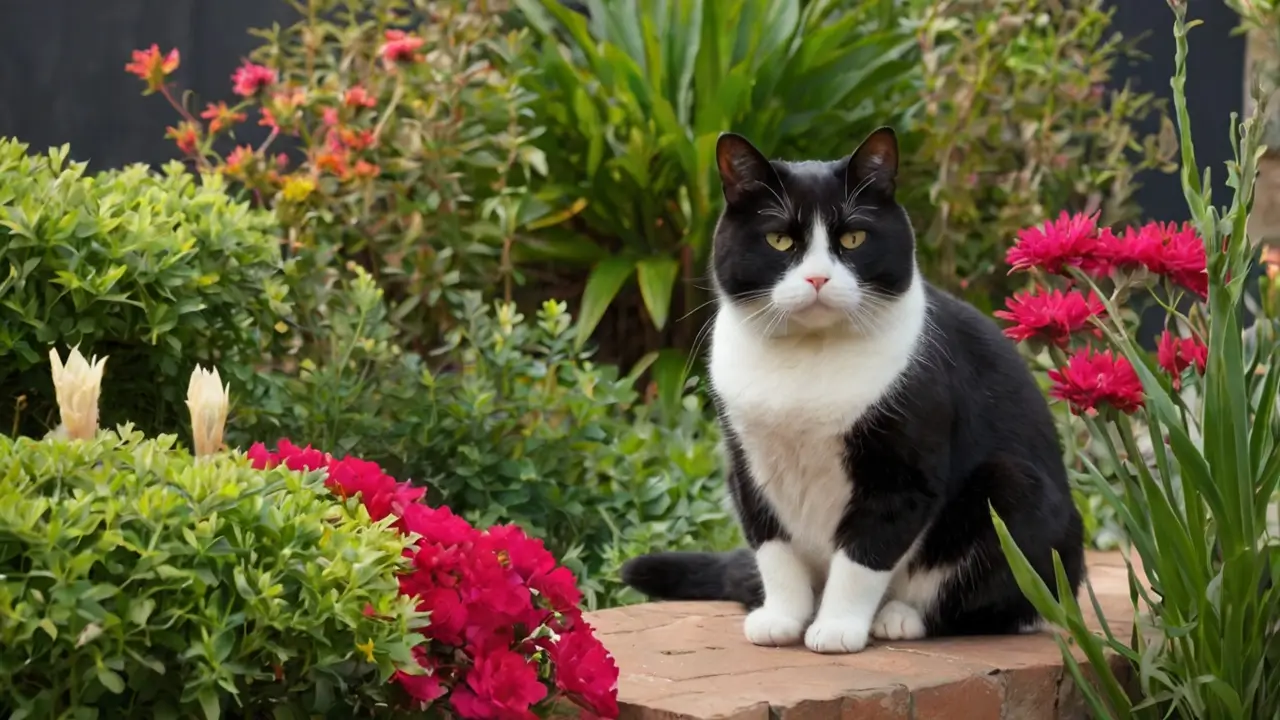
| Bi-Color | Calico, Black & White | Distinct patches of color on white. |
| Himalayan | Colorpoint (Siamese pattern) | A cross between Persian and Siamese (often considered a separate breed). |
Is a Persian Cat Family-Friendly?
When asking “Are Persian cats friendly?”, the answer is almost always yes. They are the definition of a docile nature.
Persian Cat Personality
These cats are creatures of habit. They are incredibly affectionate but not demanding. Unlike a vocal Siamese, a Persian cat will not scream for dinner. Instead, they will sit by their bowl and stare at you with their large, round eyes. They are sweet, gentle, and undemanding.
- Quiet Cat Breed: Their voice is soft and pleasant, used rarely.
- Indoor Cat Breed: They have zero desire to hunt or roam. They are strictly indoor pets.
Family and Apartment Suitability
The Persian cat is excellent for apartments. Their low energy means they won’t be climbing your curtains or needing a yard.
- With Kids: They are fine with gentle children who will stroke their silky coat nicely. However, they will hide from loud, boisterous toddlers.
- With Other Pets: They generally get along with other calm animals. They lack the wild, athletic intensity of Bengal cats, making them much easier to manage in small spaces.
Health Issues
We must be honest about Persian cat health issues. Their unique brachycephalic (flat-faced) structure causes specific problems. Prospective owners must be ready to manage these.
Brachycephalic Cat Problems
The flat-faced cat structure leads to respiratory issues. This is a common concern for many purebreds, including the uniquely patterned Torbie cat.
- Breathing Problems: Narrow nostrils and elongated soft palates can make breathing hard. This is especially true in hot weather or during stress.
- Heat Sensitivity: They cannot cool themselves efficiently. Persian care in hot climates involves strictly air-conditioned environments.
Polycystic Kidney Disease (PKD)
This is a serious genetic condition where cysts form in the kidneys. It can potentially lead to kidney failure.
- Prevention: Always ask breeders for DNA proof that the Persian kitten’s parents are PKD-negative.
Eye Conditions
Their large, protruding eyes are prone to issues.
- Cherry Eye: Or sequestrums.
- Eye Discharge: Their tear ducts are often blocked by their facial structure. This causes tears to overflow onto the face. You must wipe their face daily to prevent staining and infection.
| Condition | Risk Level | Prevention Strategy | Annual Cost (Est.) |
| PKD | Moderate (if not tested) | Buy from DNA-tested breeders. | $200 (Testing) |
| Breathing | High | Keep in cool rooms; avoid obesity. | Varies |
| Eye Discharge | Very High | Daily wiping with a specialized solution. | $100 (Wipes) |
| Dental Disease | High | Teeth are crowded; brush daily. | $400+ (Cleaning) |
Grooming and Daily Care Routine
This is the biggest commitment you will make as an owner. Looking after a Persian cat is a big job. It is a much higher commitment than grooming a short-haired Tuxedo cat.
Persian Cat Grooming Requirements
You must brush their long fur every single day. Their coat has a cottony texture that tangles instantly.
- Daily Brushing: Use a metal greyhound comb to reach the skin. Surface brushing is not enough. Matting in long-haired cats happens at the root and is painful.
- Bathing a Persian Cat: Unlike other cats, Persians need baths every 4 to 6 weeks. This removes oils that build up in their thick fur.
- The “Lion Cut”: Many owners choose to have a professional groomer shave the body hair short. This leaves a mane and tail pom-pom to reduce maintenance and keep the cat cool.
Litter Box Care for Long-Haired Cats
Feces can easily get stuck in the long fur on their back legs (“dingleberries”).
- Sanitary Trim: Keep the hair around the anus and back legs trimmed short.
- Scooping: Scoop the box twice daily. Persians are fastidious and will refuse a dirty box.
Nutrition, Exercise, and Enrichment
Because they are not very active, Persian cats can get fat quickly. Obesity is dangerous for them because it worsens their breathing issues.
Best Food for Persian Cats
- Kibble Shape: Look for Persian cat breed-specific formulas. These kibbles are almond-shaped or specially designed to be easily picked up by a flat-faced mouth. Many top cat food brands now offer these breed-specific shapes.
- Moisture: Wet food is excellent for kidney health (preventing stones) and hydration.
- Feeding: Measure their food. Do not free-feed.
Exercise and Enrichment
They won’t run marathons like a wild Fisher cat.
- Play: Short bursts of play with feather wands are enough.
- Puzzles: Use food puzzles to engage their mind without requiring heavy cardio.
Budgeting for a Persian Cat’s Lifetime
Is your wallet ready for the cost of owning a Persian cat? This is an expensive breed to buy and maintain.
Persian Cat Price
- Kitten Price: Buying a purebred Persian cat from a reputable breeder costs money. It typically ranges from $1,500 to $5,000.
- Adoption: Adopting a Persian cat from a shelter or breed-specific rescue is cheaper ($100–$400). However, purebreds are rare in shelters.
Annual Persian Care Costs
- Grooming: Professional grooming visits cost $80 to $160 each time (every 6 weeks).
- Food: $500 to $800 per year for a high-quality diet.
- Vet Care: $400 to $1,000 annually (higher for seniors or eye/dental issues).
Comparing this to a low-maintenance pet, the cost is high. The grooming costs alone make the Persian a significant financial commitment.
Pros and Cons
Here is a quick summary of Persian cat pros and cons to help you decide.
| Pros | Cons |
| Extremely affectionate cat and loyal | Requires daily brushing and eye wiping |
| Quiet cat breed; rarely meows | High risk of brachycephalic health issues |
| Perfect for apartment living | Heavy shedding of long fur |
| Beautiful, luxurious, silky coat | Expensive Persian cat price and upkeep |
| Calm temperament with other pets | Prone to kidney disease (PKD) |
Alternatives to Persian Cats
If the grooming sounds like too much work, consider these alternatives. Or if the flat face concerns you, look at these options.
- Exotic Shorthair: Often called “the lazy man’s Persian.” They have the exact same body, face, and calm temperament. But they have a short, plush coat that doesn’t mat.
- British Shorthair: They have a chubby face and round eyes. But they have a distinct muzzle (better breathing) and an easy-care coat.
- Ragdoll: Another long-haired cat breed that is affectionate and floppy. Their coat is semi-long and mats less than a Persian’s.
- Himalayan Cat: Essentially a colorpoint Persian. The Persian cat vs. the Himalayan cat difference is mostly in the coat pattern (Siamese points). It is also sometimes in the eye color (always blue).
Conclusion
So, is a Persian cat a good pet for you?
If you want a high-energy hunter or a pet you can ignore for days, the answer is no. But if you are looking for a beautiful, calm cat breed that will act as a loving soulmate, the Persian cat is unrivaled. They require time, money, and patience, but they return it with purrs and affection.
For those ready to commit to the long fur and love, the next step is finding a breeder. Ensure they test for polycystic kidney disease. Ensure you are prepared for the grooming routine. If the grooming is too much, perhaps check out the Exotic Shorthair. Or even consider a Tuxedo cat if you prefer a striking look with much lower maintenance needs.
For more in-depth breed guides, from the Persian kitten to the energetic Fisher cat, explore the rest of Love Your Pets Daily.
FAQs
Is a Persian cat very expensive?
Yes, the Persian cat is considered an expensive pet to own and maintain. While the initial Persian cat price for a kitten ranges from $1,500 to $5,000, the real cost lies in maintenance; professional grooming every 4-6 weeks and specialized veterinary care for eye and breathing issues can add $1,500+ to your annual budget.
Why are Persian cats called Persian?
Persian cats are called Persian because their ancestors originated in the region of Persia, which is known today as Iran. European travelers in the 1600s, such as Pietro della Valle, brought these distinct long-haired cats back from Persia to Italy, naming them after their land of origin.
What are the behavioral problems with Persian cats?
Persian cats generally have very few behavioral problems due to their docile nature, but issues can arise from stress or pain. Common problems include litter box avoidance (often due to painful mats or dirty litter) and separation anxiety if left alone for very long periods. Unlike the highly active Bengal cats, they rarely exhibit aggression or destructive scratching.
Do Persian cats eat a lot?
Persian cats do not typically eat a lot compared to active breeds, but they can be picky eaters due to the difficulty of picking up food with their flat face. However, because they are a sedentary indoor cat breed, they are prone to obesity if overfed, so portion control is critical to prevent weight gain that worsens their breathing.