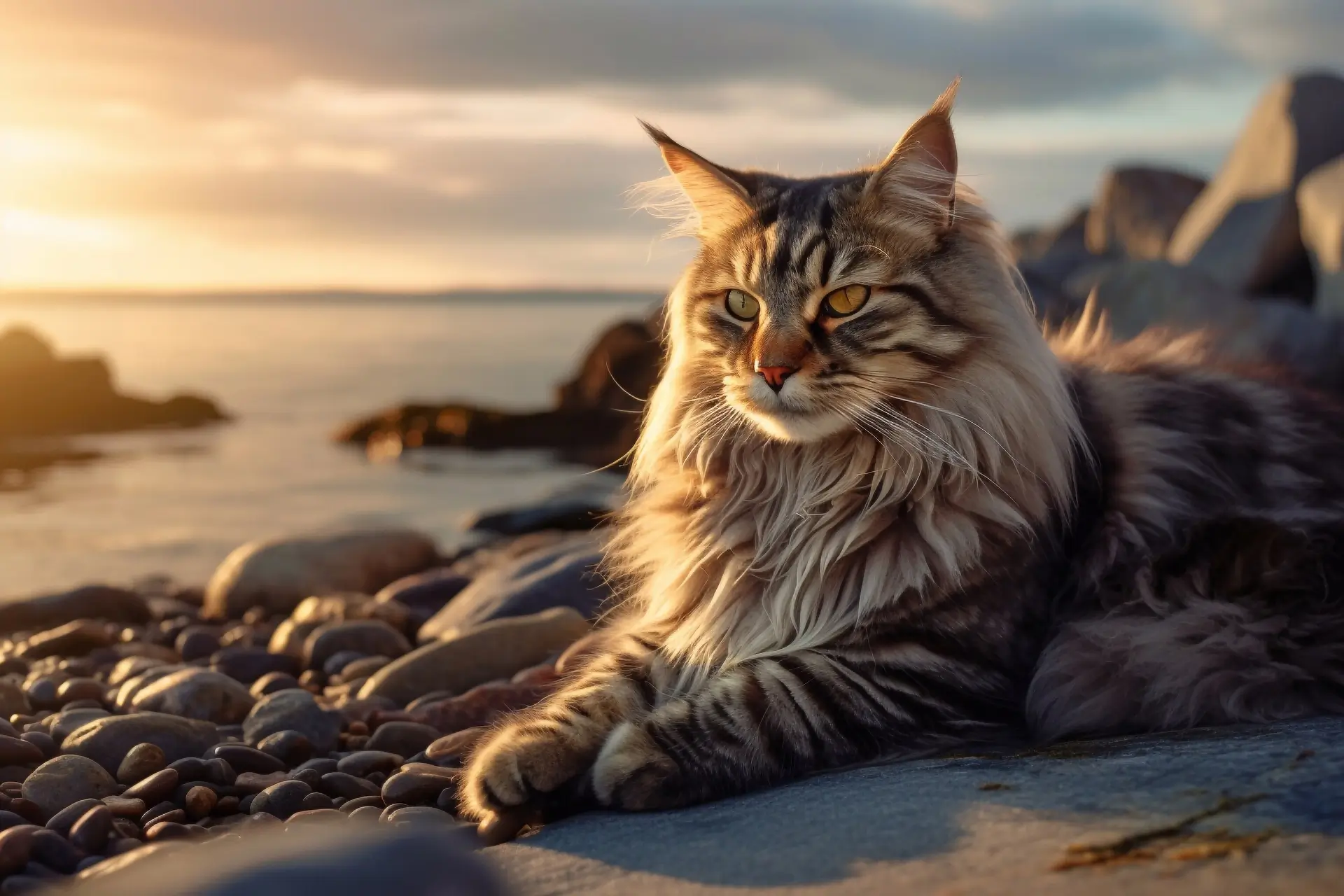
Deciding to bring a new feline friend into your home is a major life event. If you are looking for a pet that blends the beauty of a wild animal with the heart of a lap dog, the Maine Coon cat is likely at the top of your list. Often called the “gentle giant,” this American cat breed has captured hearts worldwide for decades. In 2026, it remains one of the most searched-for and beloved breeds for families, singles, and seniors alike. But beyond the striking tufted ears and massive paws, what is it really like to live with one? This comprehensive guide from Love Your Pets Daily explores everything from their playful cat personality to the real-world maintenance cost of owning such a large domestic cat.
Why the Maine Coon cat is the Ultimate Gentle Giant
Many people wonder if this breed is truly as friendly as the internet claims. The Maine Coon cat is widely considered the most friendly cat breed because of its strong social personality. Unlike many other felines that prefer a solitary life, these cats thrive on human interaction. They possess a unique dog-like behavior that makes them follow their owners from room to room. Whether you are working at your desk or relaxing on the couch, your “Coonie” will likely be right there, observing the world with its intelligent, almond-shaped eyes.
This friendly nature extends to everyone in the home. They are famously good with children, showing remarkable patience with clumsy toddlers. Furthermore, they are excellent for multi-pet households. They are good with other pets, often forming close bonds with family dogs. If you currently have a Siamese Cat or a Persian Cat, you might find that the Maine Coon’s low-aggression cat temperament makes for a very peaceful introduction.
Is This the Pet for You?
| Feature | Rating | Notes for 2026 Owners |
| Friendly nature | 5/5 | Known as the “dogs of the cat world.” |
| Intelligence | 5/5 | Very trainable cats that learn tricks easily. |
| Grooming needs | 4/5 | Long fur requires regular brushing sessions. |
| Apartment-friendly | 4/5 | Great if they have enough vertical space. |
| Average lifespan | 12-15 Years | Healthy cats can live even longer with care. |
The Fascinating Origins
The history of this breed is as colorful as its coat. One common myth suggests that the breed is a cat and raccoon mix. Biologically, this is impossible, but the physical similarities led early settlers to believe the tale. With their bushy tails and clever paws, it is easy to see why the legend grew. In reality, they are a natural American cat breed that developed in the harsh climate of the northeastern United States.
Their ancestors likely arrived on ships with early explorers. These cats had to be tough to survive the freezing Maine winters. Over time, they developed long fur, tufted ears, and large, insulated paws. These traits were not for show; they were survival tools. Today, we admire their large size and rugged looks, but these features were earned through centuries of evolution. If you ever see a fisher cat in the wild, you might notice similar rugged traits, though the Maine Coon Cat is far more domesticated and gentle.
Understanding Large Size and Growth
One of the first things people notice is their large size. They are widely regarded as the best large cat breed for those who want a substantial pet. A fully grown male can weigh up to 25 pounds, though most average between 15 and 20 pounds. Females are slightly smaller but still impressive compared to a standard tuxedo cat.
Maine Coon Size Chart (Typical Adult)
| Metric | Male Range | Female Range |
| Weight | 15 – 25 lbs | 10 – 15 lbs |
| Length | 30 – 40 inches | 25 – 35 inches |
| Height | 10 – 16 inches | 8 – 14 inches |
It is important to remember that they are slow growers. While a calico cat might reach full size by its first birthday, this breed takes much longer. Owners should use a maine coon cat size chart to track progress, but do not worry if they still look lanky at age two. They typically do not reach their full physical maturity until they are about five years old. During this long growth phase, a specialized maine coon cat growth chart can help you ensure they are hitting their milestones without becoming overweight.
The Beauty of the Coat
Their coat is a masterpiece of nature. It is a shaggy, heavy, water-resistant long fur coat. You can find them in almost every color and pattern imaginable. A calico maine coon cat is particularly stunning, featuring vibrant patches of orange, black, and white. For those who prefer a more mysterious look, a dark Maine coon, often in solid black or smoke, offers a regal presence.
Living with a Playful Cat Personality
Living with this breed is often compared to having a permanent kitten. They maintain a playful behavior well into their senior years. They are not the type to sit quietly in a corner all day. Instead, they want to be involved in everything you do.
Why They Are Called “Dog-Like”
The term dog-like behavior is not an exaggeration. These are intelligent cats that can be taught to play fetch. They often wait by the door for their owners to return from work. Their social personality means they handle visitors with ease, often greeting strangers with a curious sniff rather than hiding under the bed.
- Vocal cat breed: They do not often meow loudly. Instead, they “chirp” and “trill” to communicate.
- Water lovers: Many possess a strange fascination with water. They may dip their paws in their water bowl or try to join you in the shower!
- Trainable cats: Because they are an intelligent breed, you can use clicker training to teach them commands or harness walking.
Indoor vs Outdoor Maine Coon
When considering “Is a Maine Coon cat a good pet?” you must think about your living space. They are surprisingly apartment-friendly cats. While they are large, they are not high-strung. As long as you provide vertical space, such as a sturdy cat tree, they are happy in smaller homes.
Creating the Perfect Environment
- Vertical Space: Because of their large size, standard cat furniture often won’t cut it. Invest in heavy-duty towers that won’t topple.
- Indoor Suitability: Keeping them indoors is the safest choice in 2026. This protects them from traffic, predators, and theft.
- Outdoor Enrichment: If you want them to enjoy the outside, consider a “catio” or harness training. Their adaptability to the environment makes them great travelers if introduced to it early.
Compared to more active breeds like Bengal cats, the Maine Coon is much more relaxed. They have a calm indoor cat vibe that fits perfectly into a busy household. However, they are still an active cat breed that needs about 20–30 minutes of interactive play daily to prevent boredom.
Grooming and Coat Care
Don’t let the long fur scare you away. While they do have moderate grooming needs, they are not as high-maintenance as a Persian Cat. Their coat is designed to be rugged and doesn’t mat as easily as some other long-haired breeds. However, regular care is still essential for their comfort and your home’s cleanliness.
Grooming Routine
- Brushing: Aim for 2–3 times a week. This removes loose hair and prevents painful mats.
- Shedding Seasons: They shed their heavy winter coat in the spring. During this time, you may need to brush them daily.
- Ear Care: Their tufted ears can collect wax. Check them weekly and clean with a vet-approved solution.
- Bathing: Most don’t need frequent baths. However, because they like water, some owners find the occasional bath is actually an enjoyable bonding time.
Grooming expenses can add up if you choose professional services. A full groom for a cat of this size can range from $70 to $120. If you do it at home, expect to spend about $50 on high-quality brushes and combs.
Maine Coon Health Issues
Every breed has its strengths and weaknesses. Generally, this is a robust and hardy breed. However, there are specific genetic diseases that potential owners must be aware of. Responsible breeders in 2026 use DNA testing to screen for these issues before kittens are even born.
Common Concerns
- Heart disease in Maine Coons: Hypertrophic Cardiomyopathy (HCM) is the most common heart issue. Regular echocardiograms are the gold standard for monitoring.
- Hip dysplasia in cats: Due to their large size, they can suffer from joint issues. Maintaining a healthy weight is the best prevention.
- Spinal Muscular Atrophy (SMA): A genetic condition that affects the muscles. It is not painful, but it affects their movement.
- Dental Health: Like many breeds, they can be prone to gingivitis. Brush their teeth regularly!
The average lifespan for this breed is 12 to 15 years. With excellent nutrition and regular vet care costs covered by insurance, many live into their late teens. Be sure to factor in vet bills for annual scans and blood work when planning your monthly pet budget.
The Best Food for Maine Coon Cat Health
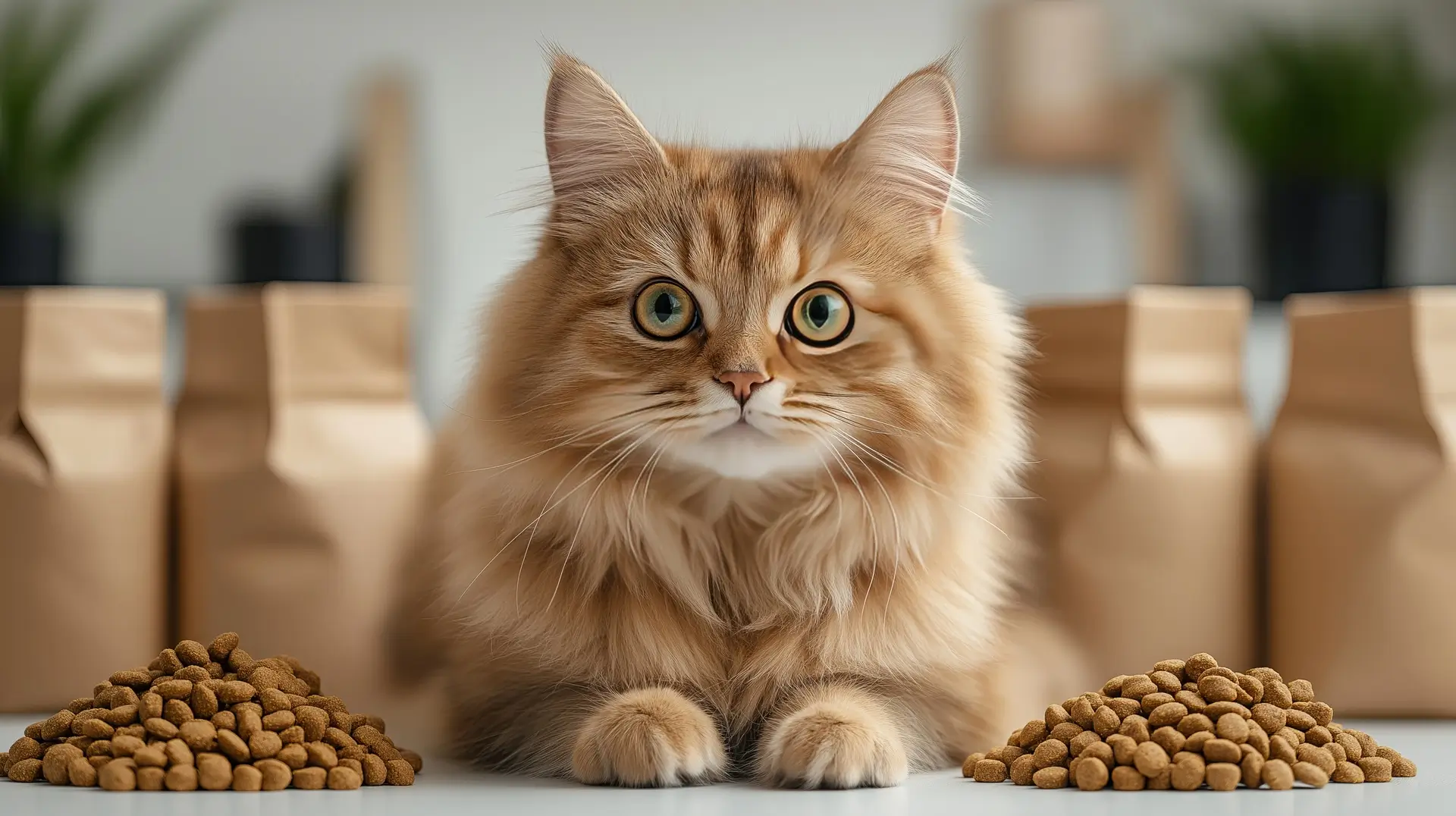
Feeding a giant requires a giant plan. You cannot simply buy the cheapest kibble and expect a Maine Coon cat to thrive. They require a maine coon diet that is rich in animal protein and low in fillers.
Feeding Tips
- High-protein cat food: Look for meat as the first three ingredients.
- Wet vs dry food: A mix is often recommended. Wet food provides necessary hydration for kidney health.
- Feeding large cats: Use wide, shallow bowls to prevent “whisker fatigue.”
- Kitten vs adult diet: They need kitten food for at least the first year, and some vets recommend continuing high-calorie diets until age two due to their slow growth.
Avoid overfeeding. While they are a large domestic cat, they should not be “fat.” You should be able to feel their ribs under their thick fur. Obesity puts a massive strain on their heart and hips, significantly shortening their life.
Maine Coon Cat Price and Ownership Costs
Is the Maine Coon cat a good pet for a budget-conscious person? Honestly, probably not. They are among the most expensive breeds to purchase and maintain.
Cost Breakdown
- Initial Price: A kitten from a reputable breeder in 2026 typically costs between $2,000 and $4,500.
- Adoption vs buying: You can occasionally find them in rescues for $100–$400, but be wary of “backyard breeders” selling cheap kittens without health clearances.
- Maintenance cost: Between food, litter, and insurance, expect to spend $150–$250 per month.
- One-time costs: Large-scale cat trees and litter boxes (they need the “Extra Large” size) will cost $300–$500 upfront.
If you are comparing them to a torbie cat or a calico cat you might find at a shelter, the cost difference is significant. However, for those who value the specific loyal companion traits of this breed, the investment is often considered well worth it.
Comparing the Breeds
If you are still on the fence, it helps to see how they compare to other popular breeds.
| Feature | Maine Coon cat | Persian Cat | Siamese Cat | Bengal cats |
| Temperament | Gentle / Social | Quiet / Sedentary | Vocal / Needy | High Energy / Wild |
| Grooming | Moderate | Very High | Low | Low |
| Size | Extra Large | Medium | Medium | Large |
| Trainability | High | Low | Moderate | Very High |
The Maine Coon vs Ragdoll debate is also common. Both are “gentle giants,” but the Maine Coon is generally more active and adventurous. If you want a cat that will sit like a statue, choose a Ragdoll. If you want a “co-pilot” for your daily life, the Maine Coon is the best cat for families.
Is a Maine Coon cat a Good Pet?
The Maine Coon cat is an exceptional pet for those who want a true companion. They are the beginner-friendly cat of the large-breed world because they are so forgiving and social. They offer the intelligence of a dog with the independent spirit of a cat.
If you have the space, the budget, and the time for regular grooming, you will not find a more rewarding pet. They truly are a family-friendly cat that will bring laughter to your home with their chirping and playful antics. At Love Your Pets Daily, we believe that once you go “Coonie,” you never go back.
FAQs
Are maine coons friendly?
Yes, Maine Coon cats are exceptionally friendly and are often cited as the most friendly cat breed in the world. They possess a natural curiosity and a social personality that makes them seek out human interaction rather than avoiding it. This friendly nature makes them perfect for households with children or other pets, as they are known for their patience and lack of aggression.
How many kittens do maine coons have?
A Maine Coon cat typically gives birth to a litter of four to six kittens, though larger litters of eight are not unheard of. Because they are a large domestic cat, the mother is usually well-equipped to handle larger litters, but they require a high-calorie maine coon diet to stay healthy during nursing. These kittens are born with the beginnings of their long fur and will start showing their playful behavior at just a few weeks old.
How much does a coon cat cost?
In 2026, the Maine Coon price for a kitten from a certified breeder ranges from $2,000 to $4,500, depending on lineage and coat color. When you factor in the initial vet care costs, vaccinations, and high-quality maine coon cat food, the first-year cost can exceed $5,000. While adoption vs buying is an option, purebreds are rarely found in shelters, and owners should prepare for a significant monthly pet budget of around $200.
How big do Maine Coon cats get?
The Maine Coon cat is the largest non-hybrid domestic cat, with adult males often reaching weights of 20 to 25 pounds. They can measure up to 40 inches in length from nose to tail, which is significantly larger than a standard tuxedo cat or Siamese Cat. Their large size is a key part of their “gentle giant” reputation, though it takes them nearly five years to reach their full adult dimensions.