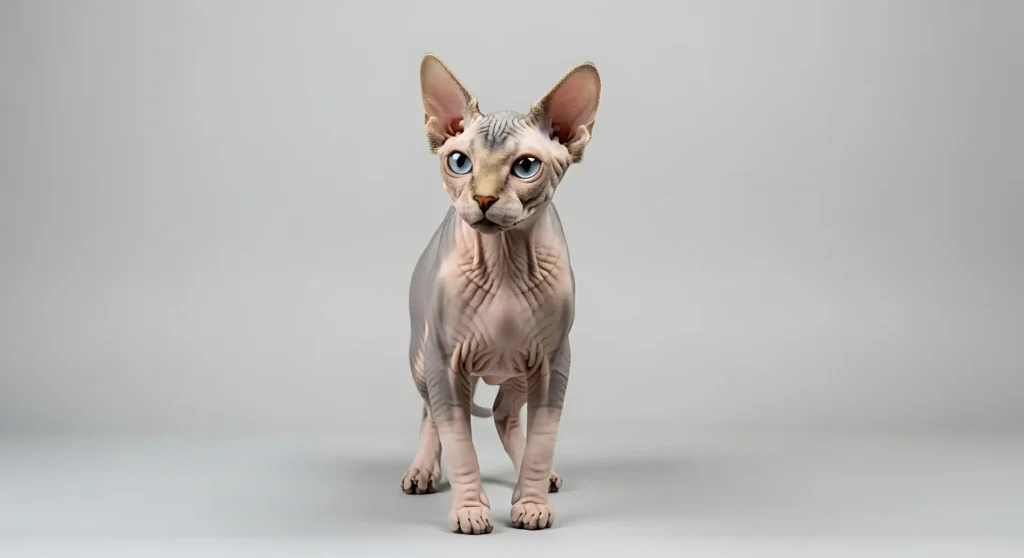



The Grey Calico Cat is a truly uncommon and beautiful feline companion. This striking domestic cat stands out because of its soft, pastel-toned coloration. Its coat features distinctive patches of grey (blue), cream, and white. Many owners are captivated by this unique fur pattern. They often wonder if this rare coloring means a special temperament. Does a Grey Calico Cat actually have a unique personality? Or is the cat’s behavior determined by factors other than its coat?
This deep dive will explore the genetics behind this rare variant. We will examine how breed background truly shapes this unique pet animal’s disposition.
The Genetics of a Grey Calico Cat
A Grey Calico Cat is a simple variation of the standard Calico. It is defined by its tri-colored coat. This coat includes white, diluted black, and diluted red/orange. The typical standard Calico is black, red, and white. The grey calico’s colors happen because of a recessive dilution gene.
- The Dilution Gene: This gene essentially “washes out” the dense colors. Black becomes a soft grey (or blue). Orange becomes cream, buff, or pale peach. The resulting coloration creates a soft, pastel-toned patchwork. This is why this variant is also called a pastel calico cat grey.
- The Calico Factor: Like all Calicos, the color gene resides on the X chromosome. This is why almost all Grey Calico Cats are female.
- Rarity: This beautiful cat is relatively uncommon. It needs both the tri-color gene and the recessive dilution gene.
What Shapes the Animal Temperament?
It is easy to assume a unique cat, like the Grey Calico Cat, must have a fixed, special personality. However, science shows the cat’s coat color is not the deciding factor.
Breed Background is Key
The most important factor influencing a Grey Calico Cat’s behavior is its underlying cat breed. The calico pattern is simply a coat. It can appear on many different breeds and mixed-breed cats.
A Grey Calico Cat with a long-haired calico coat might be a Maine Coon mix. This cat is likely to be gentle, large, and sociable. Conversely, a kitten that is an American short-haired calico will be medium-sized. This cat may also be active, playful, and assertive. If you are interested in personality linked to breed, you might enjoy our article on Bengal cats.
The point is clear: the fur pattern tells you nothing about the cat’s energy. The breed background is what truly sets the animal’s temperament.
The Nurture Factor
A cat’s upbringing and early life experience are critical. Proper socialization as a kitten leads to a confident domestic cat. A loving environment creates a stable pet animal. This influence often outweighs any subtle genetic predisposition.
The “Calico Attitude” Myth vs. Science
Many owners report that Calicos are uniquely bold and spirited. This attitude is often attributed to the Grey Calico Cat as well. We must look at the claims versus the available scientific evidence.
Commonly Attributed Traits
Owners often describe Calicos, including the soft-colored pastel calico cat grey, as having these traits:
- Assertive and Headstrong: Many are considered “spunky” or “sassy.” They know exactly what they want.
- Playful and Energetic: They retain a playful nature throughout their life. They love to explore and chase toys.
- Loyal and Affectionate: They can become intensely bonded and loyal to one person.
- Sensitive and Expressive: They may be cautious around strangers. They can also be quite vocal about their needs.
The Scientific Perspective
There is no scientific study proving this link to fur pattern. Experts caution that any “Calico personality” is anecdotal. It may simply reflect confirmation bias or owner observation. Since Calicos are almost always female, their temperament may reflect the general female feline personality. This is often slightly more particular than that of a male mammal.
Health, Rarity, and Male Calicos
The health and rarity factors must be considered. They influence how a Grey Calico Cat is perceived and treated.
Longevity and General Health
For the vast majority of female Grey Calico Cats, their health is not tied to the cat coat. The animal’s temperament is stable. Longevity is set by diet, environment, and routine vet care. You can find excellent advice on this from Love Your Pets Daily.
The Rare Male Calico
The Grey Calico Cat pattern in a male is an extremely rare occurrence. It is due to a genetic anomaly called Klinefelter syndrome (XXY). This male mammal will almost certainly be sterile.
Male dilute calicos may face potential health issues. These include lower bone density and developmental challenges. Owners of a male dilute kitten should seek early genetic counseling.
Advice for Prospective Owners
If you adopt one of these striking grey calico companions, look beyond the beautiful coloration.
Look Beyond the Coat
Do not assume a sweet, playful demeanor just because of the coat. The cat’s personality is shaped by its underlying breed. A long-haired calico cat might be more relaxed. A short-haired calico might be more energetic. To find a calmer cat, research the typical animal temperament of a Tuxedo cat, which tends to be very mellow.
Grooming Needs Vary
Grooming needs vary greatly by fur pattern. A grey calico with a short coat requires minimal brushing. A long-haired calico needs daily brushing. This prevents matting in their beautiful fur pattern.
Adoption and Integration
When adopting, ask the shelter about the cat’s history and behavior. Do not rely on color alone. Use search terms like “gray calico kitten” combined with your location. This helps find local rescues.
Real-Life Experience
Owner anecdotes are subjective, but they show the range of animal temperament. Many owners of a calico grey and orange cat report a few common patterns.
One owner described her grey calico as a “velcro cat” but only for her. This shows extreme loyalty. Another noted her long-haired calico was highly intelligent but easily bored. This highlights the independent and curious nature associated with the pattern. The key takeaway is that the “personality” can be intense. It just depends on the individual feline.
Conclusion
The Grey Calico Cat is undeniably special. This is due to the beautiful, rare genetic interplay of its fur pattern. However, its animal temperament is a blend of factors. These include its breed, socialization, and early environment.
Do not allow the myth of the “sassy Calico” to discourage you. Choose your domestic cat based on its observed behavior. Focus on providing consistent care and a high-quality diet. Always choose reputable cat food brands.
Embrace the visual uniqueness of the Grey Calico Cat. Treat it as the wonderful, complex individual feline that it is.
FAQ
What are gray calico cats called?
Gray calico cats are most commonly called dilute calico cats. This references the recessive dilution gene that softens the standard black and red colors. They may also be referred to as “blue calico,” “pastel calico cat grey,” or “clouded tiger.” This beautiful coloration remains a tri-color coat that must include white, gray (diluted black), and cream (diluted orange).
What is a cool name for a gray cat?
A cool name for a gray cat often reflects its muted color, rare fur pattern, or unique personality. Names like Sterling, Ash, Luna, or Skye are popular choices for a dilute Grey Calico Cat; names that hint at cream and grey are unique, such as Misty, Dove, or Fawn. To find a truly unique name, consider the animal temperament and history of the gentle Fisher cat for inspiration.
What are the three types of calico?
The three primary types of calico are the standard calico, the dilute calico (or grey calico), and the caliby (tabby-calico). The standard type has bold patches of black, orange, and white. The dilute calico features softer, pastel colors (grey and cream) with white. The caliby has tabby stripes visible within the colored patches, regardless of whether the colors are dilute or bold.
How much are grey calico cats worth?
Grey calico cats are not priced based on their coat color alone but by their underlying cat breed, lineage, and source. Because the dilute calico pattern appears frequently in mixed-breed cats, they can be adopted from a shelter for a low fee. If purchased from a breeder as a purebred, the price will match the cost of the breed, such as a Maine Coon, and can range from $500 to over $2,000.